
The Camfather, Ed “Isky” Iskenderian. 1921-2026
The legendary man behind Isky Cams, Ed Iskenderian has passed away at 104.
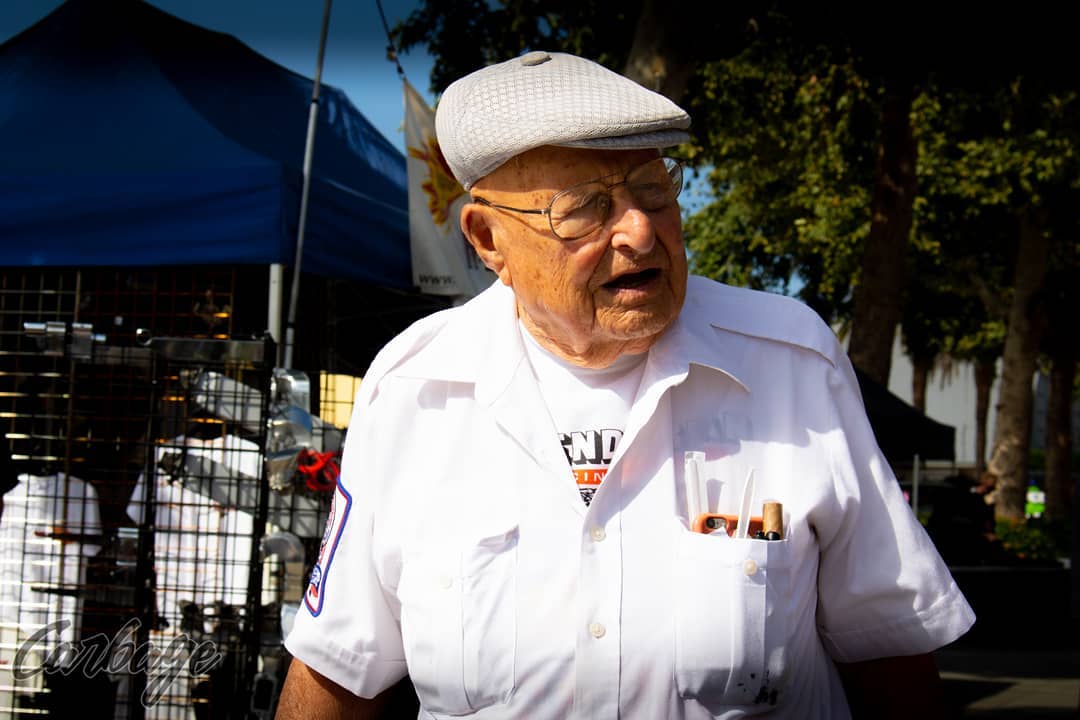
A World War II veteran and innovative valvetrain builder, Ed “Isky” Iskenderian is a legend among hot rodders around the world. The name sparks up images of fast Flathead Fords, engines producing 1-horsepower per cubic inch or better and leading the way hydraulic lifters with the first anti-pump-up lifters. “Mr. Isky” has been making cars fast for over 80-years but has sadly passed away at 104.
The Move That Sparked His Hot-Rodding Future
Isky wasn’t a hot rodder at birth in 1921, as his Armenian immigrant parents who fled Turkey around 1910 had a vineyard in Tulare, California but frost destroyed their crop. That’s when he and his family moved nearly 200-miles south to Los Angeles – where his father now ran a shoe store – during the very early development period of the hot-rodding culture. Still, he wouldn’t take an interest until around his 12th birthday.
“I didn’t know about hot rods yet,” Isky said to The Shop Mag in 2016. This publication is a business-to-business magazine for performance shops and businesses. “Around 1933,” he continued in the article, “when I was about 12, I would see older guys driving stripped down Model Ts or ‘Whippets.’” That set him in motion from that point on.
Isky’s First Hot Rod
In 1939 and attending Polytechnic High School, Isky built his first hot rod, “La Cucaracha.” It was a T-bodied roadster with a Flathead Model T engine, a 177-cubic-inch inline-four cylinder with an L-head (also known as a Flathead). In true, wanna-make-it-fast fashion, he replaced the cam with a hotter version made by another legendary cam grinder, Ed Winfield. The engine also went through two Overhead Valve (OHV) conversions with the Frontenac heads then the George Riley “multi-Flathead.” That’s when he found that it and the Model A and B engines didn’t have the crankshafts strong enough for the power he was making.
The Flathead V8
Out those went and in went his first Flathead V8. With its larger bearings and counterbalanced crankshaft, this engine did far better but still not enough to Isky’s liking. That’s when he installed “Maxi” heads, an F-type cylinder head with overhead exhaust valves, and a Navarro intake manifold. Before installing the Maxi heads, he and Winfield iron-filled and recontoured the combustion chambers. It was around this time that he gained the nickname, “Isky.” “In high school, if your name is long, they shorten it for you,” he told The Shop, “Later, someone said a long name wasn’t good to use on a business, so it became Isky again.” After high school, Ed went to work as an apprentice tool and die maker and continued to build his Model T.
More Power
The frame rails were swapped out with a set an Essex version. Then Isky changed to an Edelbrock “slingshot” intake manifold, named because of its “Y” shaped dual-carburetor plenum that looked like a slingshot. At this point, he went to El Mirage Dry Lake for a land speed run and was able to reach 120-MPH. Then he used a set of Jahn’s pistons and in combination of the modified heads, produced a 13:1 compression ratio, a rare thing in its time. This also meant a Vertex magneto and a set of triple Stromberg 97 carburetors. He then found that the Winfield camshaft needed to change and was going to use a Clay Smith cam, but Smith couldn’t produce one in the time Iskenderian wanted. So, Isky decided it was time to try his hand at cam grinding.
Pacific Service during WWII
Then came the war. He wanted to stay in something fast, so he enlisted with the Army Air Corps and served with the Air Transport Command as a tail gunner. After the end of World War II, Isky came back and wanted to keep building hot rods, but there were so few racing camshaft manufacturers that their times were taxed out. So, Ed bought a used cylindrical grinder and converted it into a universal camshaft grinding machine in 1946.
The Beginning of Isky Racing Cams
In 1947, Ed started Isky Racing Cams to the delight of land speed, drag, and street racers. However, it wasn’t until his first ad in the second ever issue of Hot Rod Magazine got the attention of NASCAR engine builders on the East Coast. His camshafts produced engines capable of 1-horsepower per cubic inch in Dodge V8 Hemis and 1.3-horsepower per cubic inch in 283 Chevy V8s.
Isky Firsts
If you think that computer technology in camshaft design was an 80s or 90s revolution, you’d be wrong. In the 1950s and into the 1960s, Ed became the first ever in the industry to utilize computers in cam designs. This allowed Isky to not only create the 5-Cycle and 505 Magnum profiles but also produce some of the first racing camshafts that would work with hydraulic lifters.
He also created the first ever High-Density Chilled-Iron lifters for Supercharged Dragsters, what we know now as Top Fuel. Self-locking roller tappets, Anti-Pump-Up hydraulic lifters for higher RPMs, both were created by Isky. Do the camshaft kits that include all the components in one package? Isky did it first during the 60s. He was also one of the pioneers of the Specialty Equipment Market Association, SEMA, and was its first president in 1963 and continued there in 1964.
Forever the 13-Year-Old Who Loved the Model T Roadster
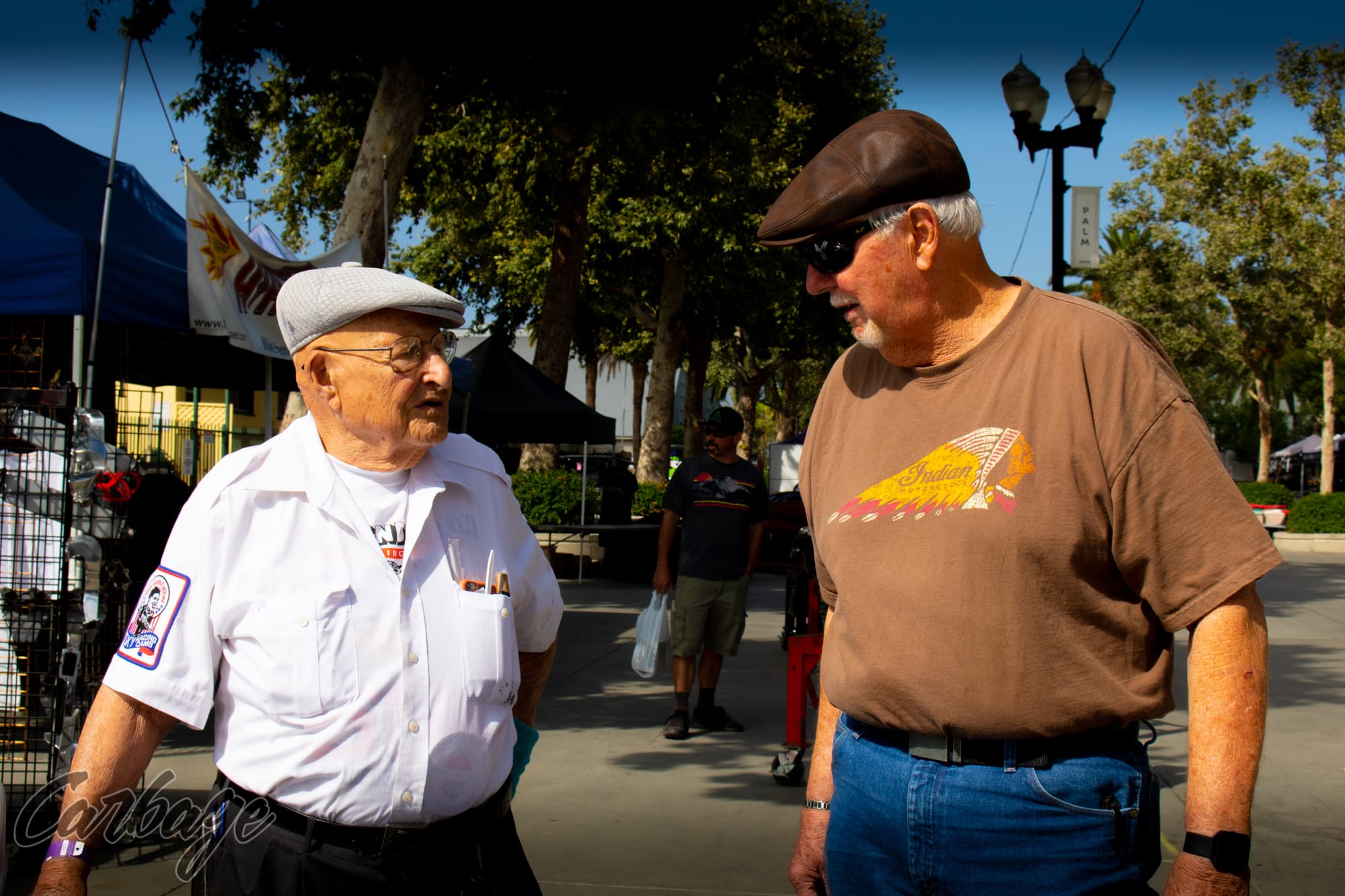
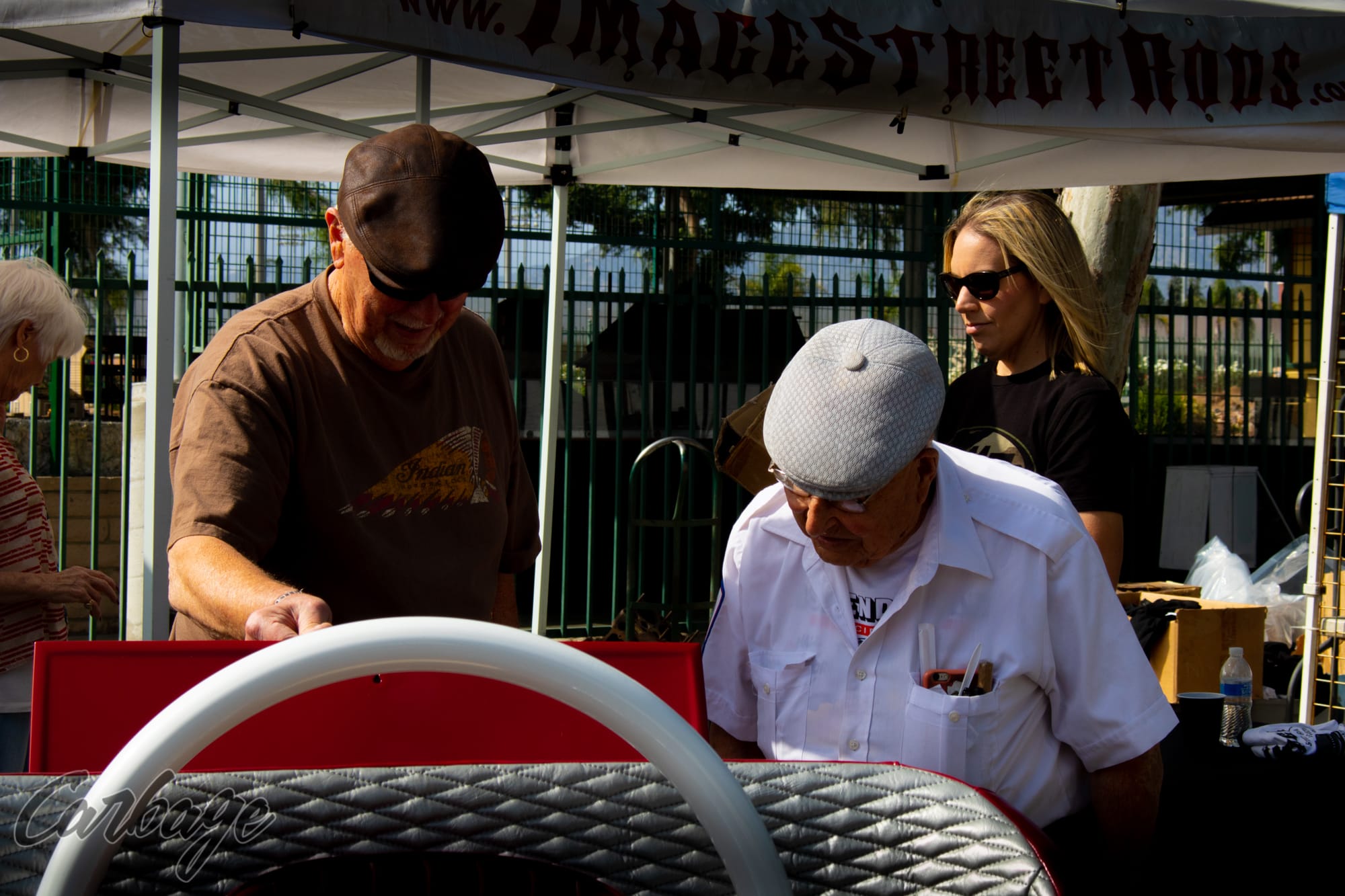
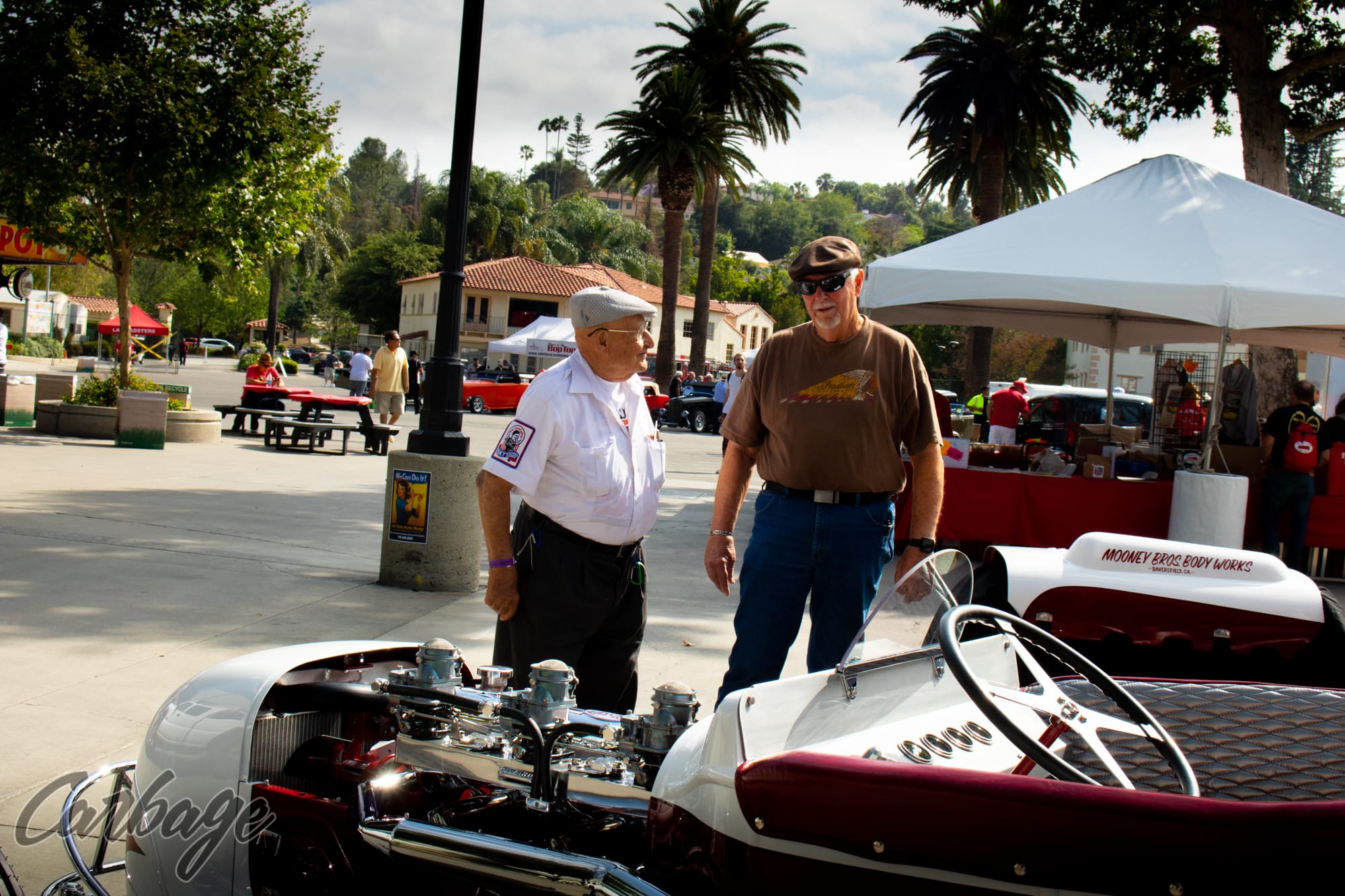
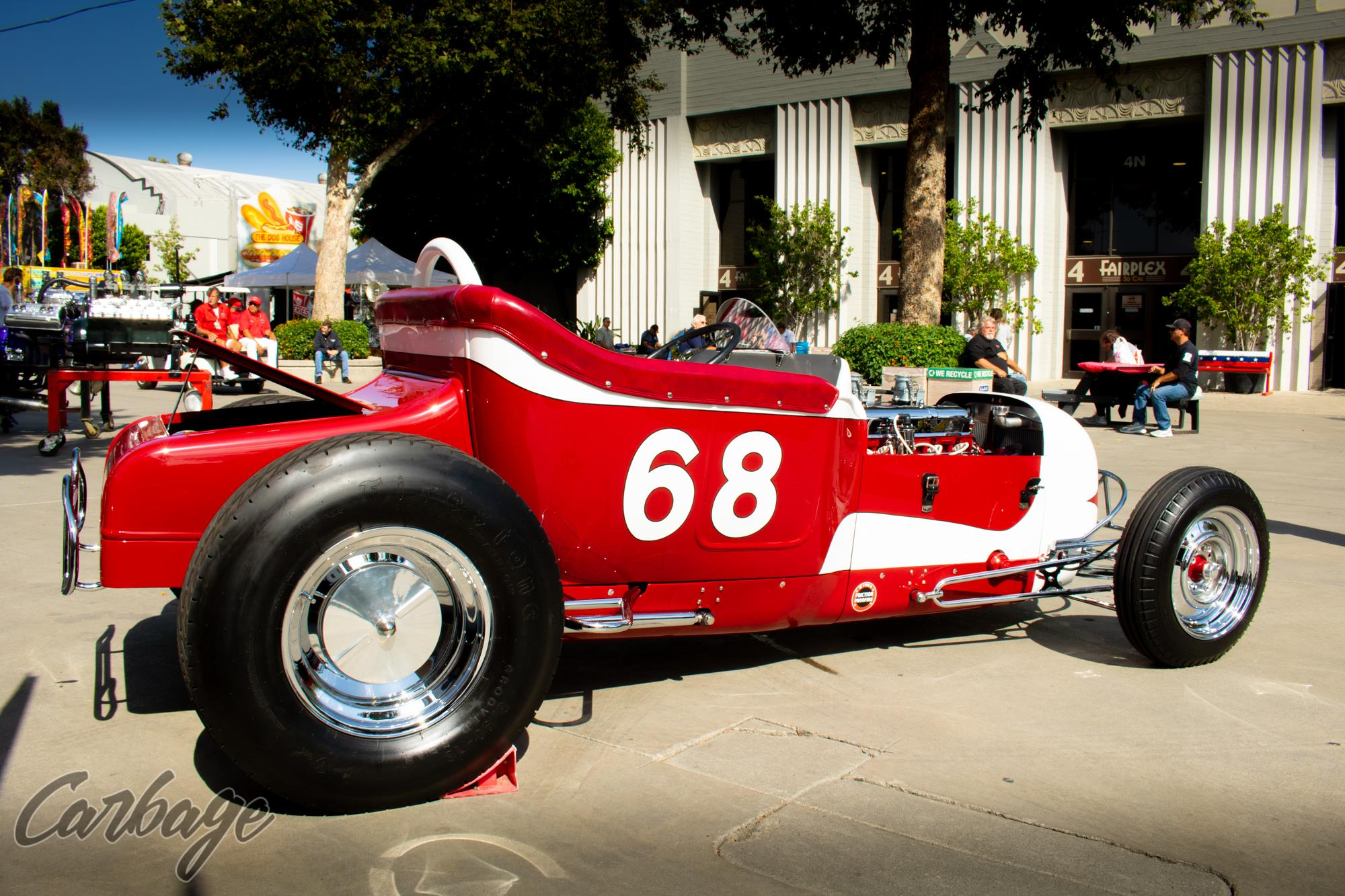
Ed oversaw the operation of Isky Racing Cams until his death but his sons, Ron and Richard, continue to run the day-to-day of the business in Gardena, California. The modern facility is a four-building complex with over 75 thousand square feet. Even in all that time, in the over 80 years of the business, Ed’s still a hot rodder. During the 2018 LA Roadster Show, I got a rare opportunity to witness his admiration of a car one of his camshafts resides in, the 1926 Mooney/Simkins Special that is featured here. The look in his eyes and the excitement in his voice told me all I needed to know. He was forever that 13-year-old boy that fell in love with the Model T Roadster.
Comments ()