The Hidden Cost of Direct Injection Engines: Carbon Buildup Explained
Direct injection has taken over engine fuel control, but there are drawbacks that are still difficult to overcome.
Quick Summary:
- Gasoline Direct Injection: GDI engines spray directly into the cylinder, leaving intake valves without the gasoline wash that prevents heavy carbon buildup.
- Where the Buildup Comes From: Oily PCV air coats the valves, causing rough idling, sluggish acceleration, and cold-start misfires over time.
- How to Get Rid of That Buildup: Cleaning requires costly shop services like walnut shell media blasting or top-end solvent treatments every 40,000 to 60,000 miles.
- Preventative Maintenance is Key: Frequent oil changes and documented service histories are critical when shopping for used direct-injection vehicles.
As wonderful as the acceptance of gasoline direct injection (GDI) engines has been, a major downside remains unsolved. It is also an issue you should be aware of if you are looking at buying a used vehicle with more than 40,000 miles on the odometer. That issue is carbon buildup, and it can require an expensive maintenance procedure that the average home mechanic cannot easily tackle in their driveway.
What Led OEMs to Gasoline Direct Injection?
Although we cover it in our fuel injection guide, we will talk a bit more in-depth on what gasoline direct injection (GDI or DI) is. At the start of the electronic fuel injection era for gasoline cars, there were two types: throttle body injection (TBI) or port injection. TBI looked like a carburetor and sat on top of the intake plenum. Its injectors, usually one or two depending on fueling needs, sat on top of the bores just above the throttle butterflies and injected fuel, feeding gasoline throughout the intake. It was not precise and, just like carburetors, there was a chance that some cylinders might not get as much fuel if they were farther away from the intake plenum and throttle body.
This created the need for port fuel injection, where the injectors moved from the top of the throttle body into the intake port runner. This ensured that each cylinder received the same amount of fuel. But this technology initially failed to provide precise fueling because the port injectors were often bank fired (where each bank of engine cylinders opened its injectors to feed fuel) instead of sequentially fired (where injectors feed fuel the moment the intake valve opens), as later systems evolved into.
Even sequential port injection had its drawbacks. Fuel could still pool at the valve due to dwell time, and you were at the mercy of intake valve timing instead of the timing of the piston and spark ignition. This limited how fuel-efficient a sequential port injector system could be.
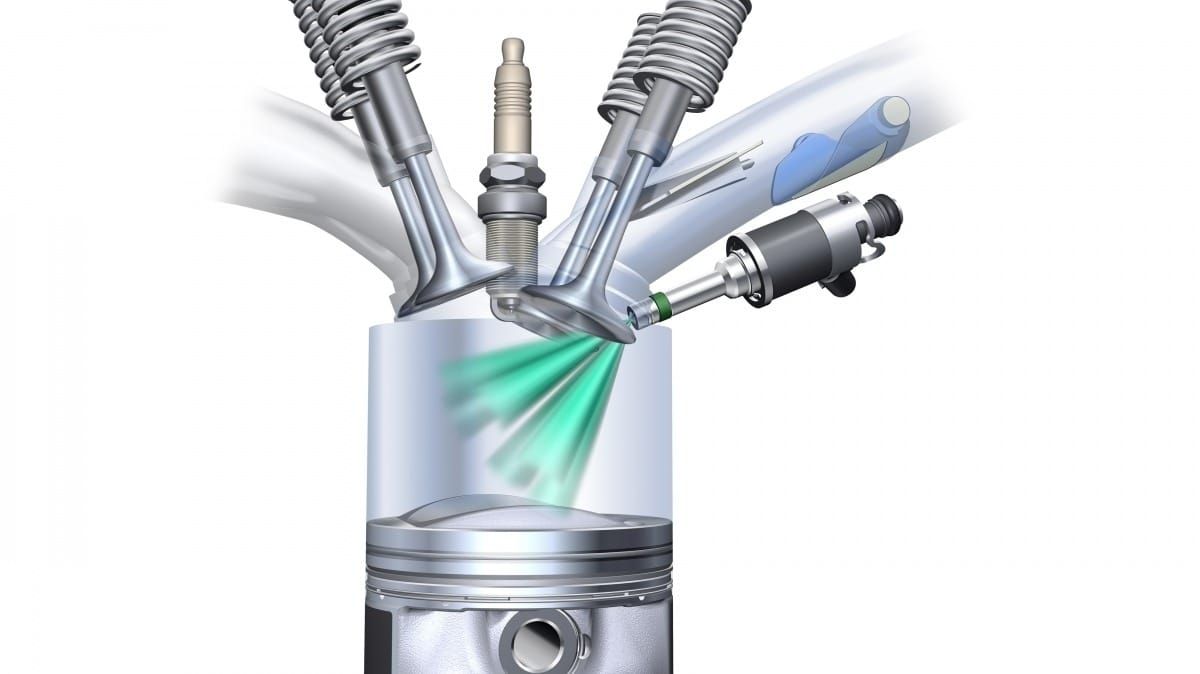
With DI, the injector sits in the combustion chamber and is no longer limited to the opening of the intake port. This allows for the most precise form of fuel control because you can inject fuel right at the limit of combustion, including at, before, or just after the piston reaches top-dead-center (TDC).
It is also why modern GDI engines can run on 85-octane or 93-octane fuels and only lose a few horsepower rather than knock, where the fuel ignites before the proper ignition timing in the combustion chamber. Higher-octane fuels are harder to combust, which is why performance engines use them and why manufacturers recommend them for maximum hp output in GDI cars.
The Switch to GDI

The first GDI engine arrived early in the history of the internal combustion engine, with Jonas Hesselman building the first unit in 1912. Diesel engines have used GDI for nearly as long, but both applications relied on mechanical systems. The first electronic form of GDI reached the market with the 1995 Mitsubishi 4G93 engine, found in the 1996 Galant for the Japanese market and a year later in Europe in the Carisma.
By the early 2000s, European manufacturers began licensing Mitsubishi’s GDI technology for their own vehicles. Around the same time, GM introduced the Ecotec I-4 with GDI technology for mass-market use in the U.S. but Ford waited until 2009 to introduce it by way of its EcoBoost engine family. The final manufacturer to step up to this modern fueling tech was Stellantis as it released its version in 2017 with the GME T4 for the 2018 Jeep Wrangler and KL Cherokee.
Gasoline Direct Injection Components
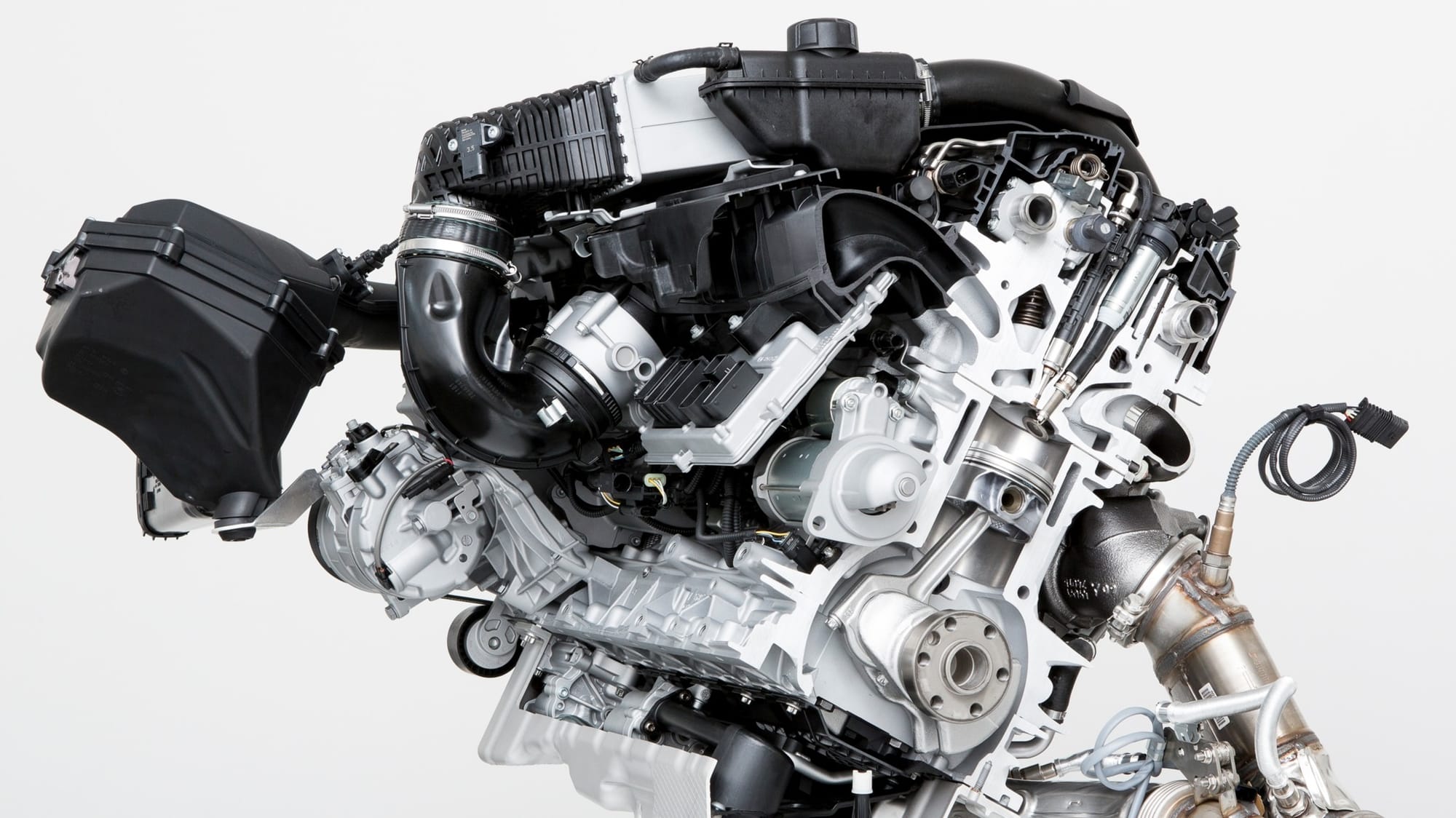
A typical GDI system initially appears similar to a port injection system. A fuel pump inside the fuel tank feeds gasoline toward the engine at 30 to 60 psi. Once fuel reaches the engine bay, the system changes dramatically.
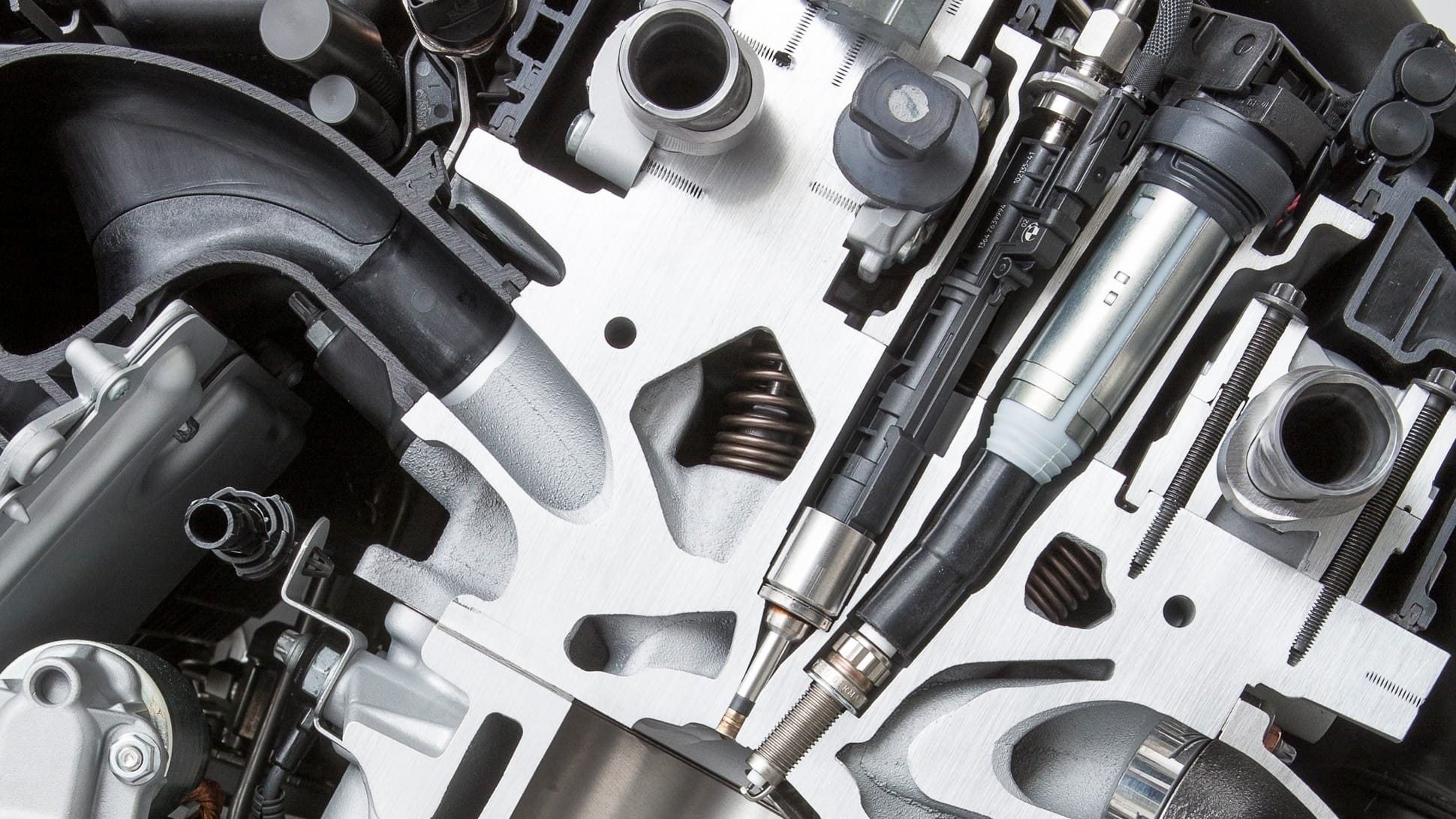
To feed high pressures of between 1,500 and 4,500 psi, that low-pressure fuel enters a high-pressure fuel pump (HPFP) near the fuel rail. The camshaft drives the HPFP either directly or through a dedicated camshaft lobe and follower. Once the pressure increases, the fuel travels through hard lines to injectors installed directly in the cylinder head combustion chamber.
Similar to 12-volt port injectors, the powertrain control module (PCM) or engine control module (ECM) drives these units, using an internal injector driver that sends up to 65 volts to the injector's piezoelectric stack. This stack expands, forcing the pintle valve open and pulse-width modulation (PWM) controls the dwell time between the pintle valve opening and closing.
The Hidden Problem
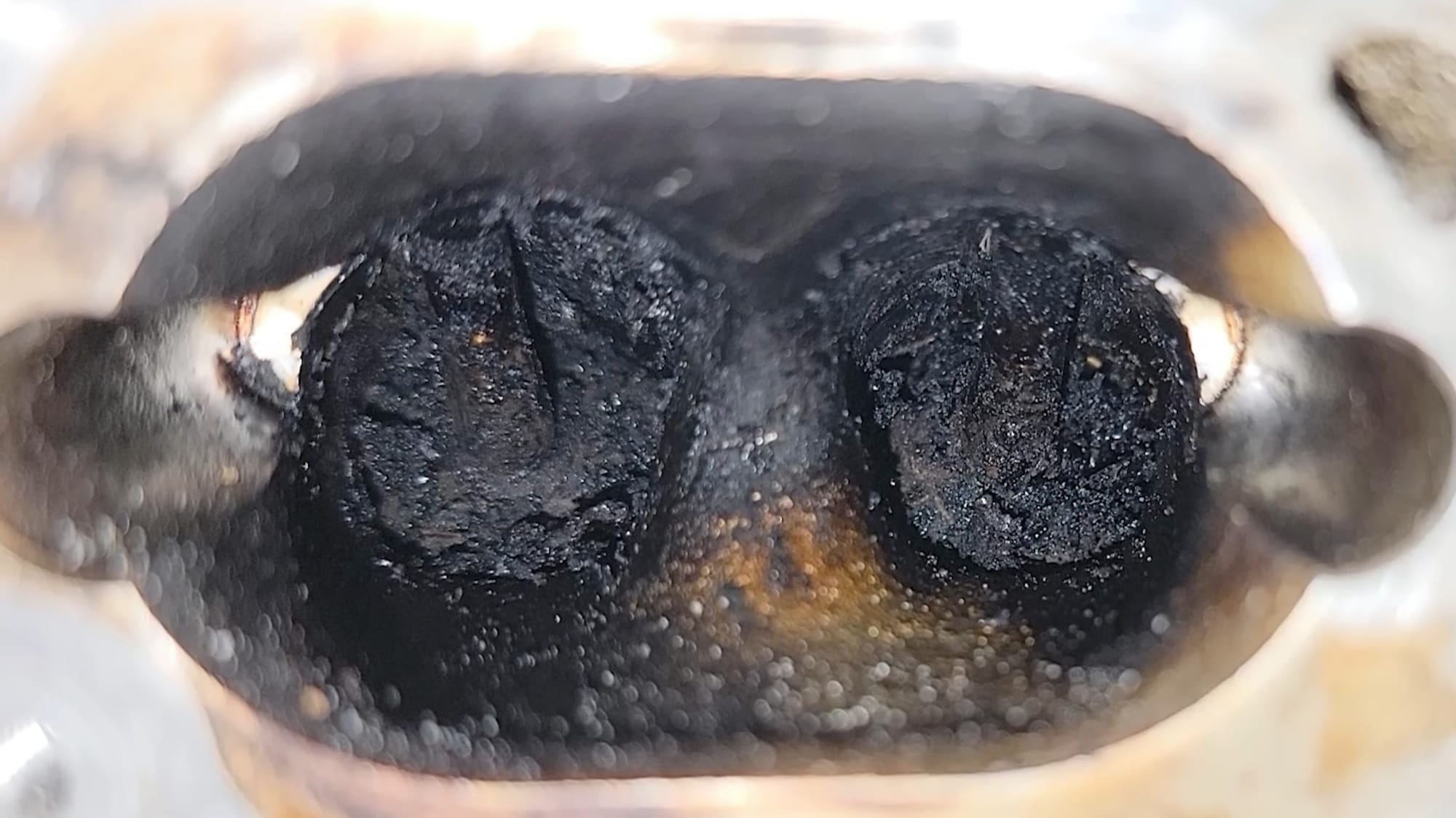
As time passed, auto technicians uncovered issues with GDI. The root cause was neither its complexity, the high fuel pressures required, nor strict reliance on precision controls. It was a maintenance issue: carbon buildup on the back of the intake valve.
This condition stems from modern emissions controls paired with the absence of fuel wash at the intake port. The positive crankcase ventilation (PCV) system captures oil mist whipped up by the crankshaft counterweights spinning through the oil sump pan. To prevent environmental release, the PCV system directs this oily air back into the engine intake, burning it off before passing through the catalytic converter.
This oily air forms carbon buildup on the back of the intake valve. Port injection engines avoided this issue because injectors bathed the back of those valves in gasoline, acting as a solvent that continuously dissolves and washes away carbon deposits. A GDI system lacks this self-cleaning effect because fuel sprays directly into the combustion chamber and the natural swirling inside the combustion chamber isn’t enough to wet the valves to clean them.
How Carbon Buildup Gets Fixed (And How to Minimize the Issue)
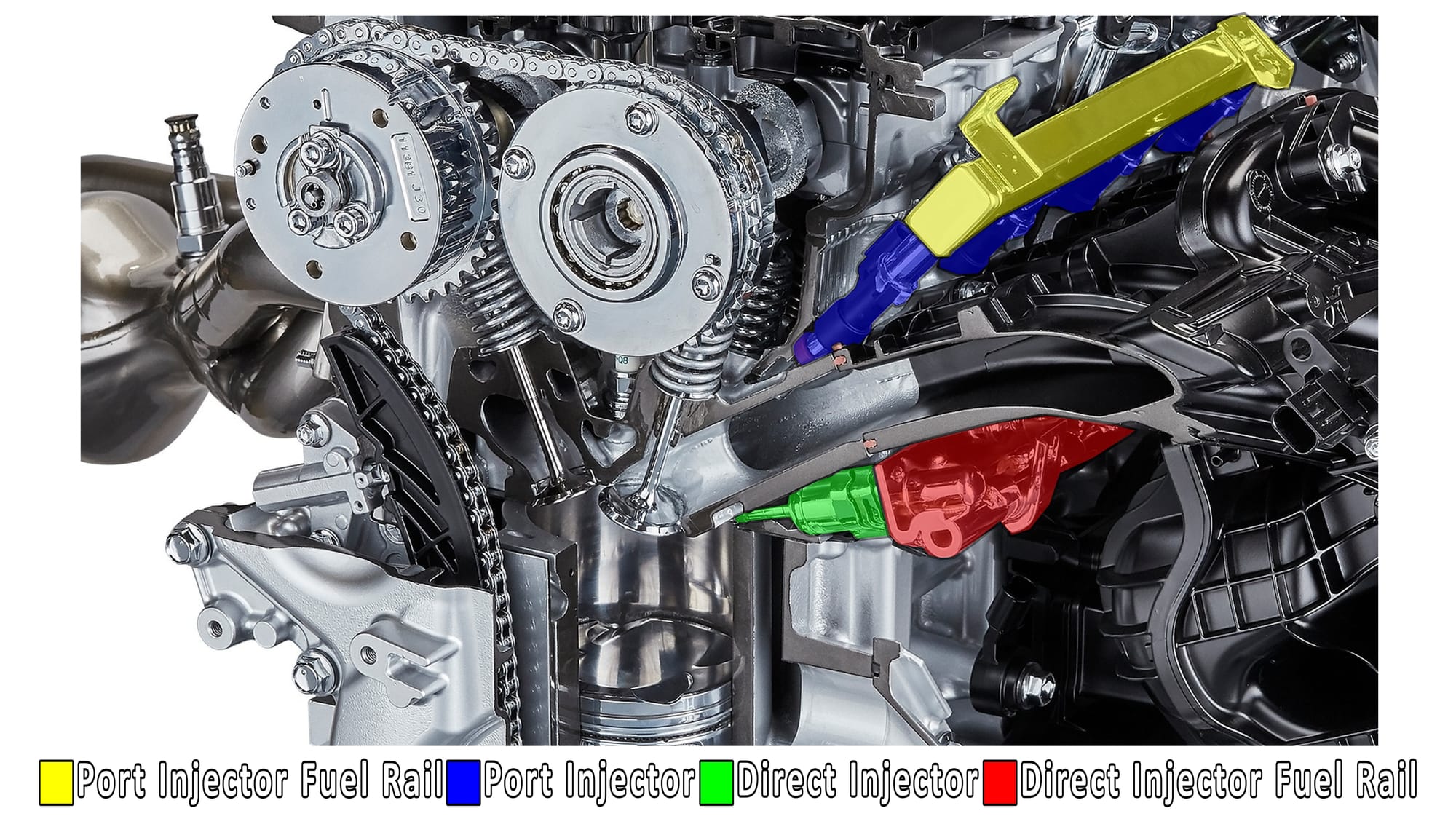
Solutions do exist. One factory method is a dual-injection system, such as Toyota’s D-4S. The engine runs primarily on its GDI system, but the port injectors fire under light engine loads to wash the back of the valves. Under high load, the engine switches strictly to GDI to maximize power, efficiency, and cylinder cooling.
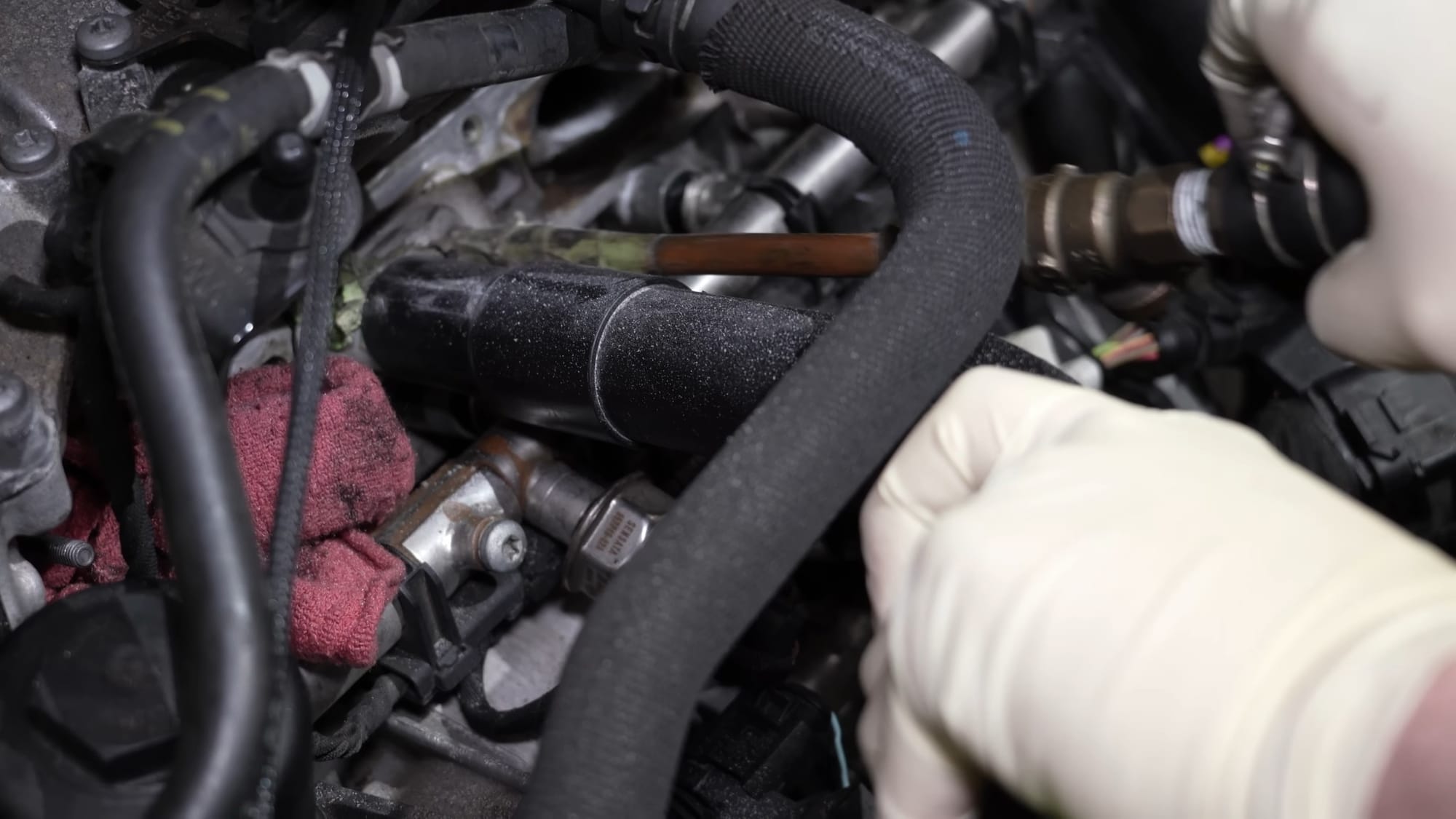
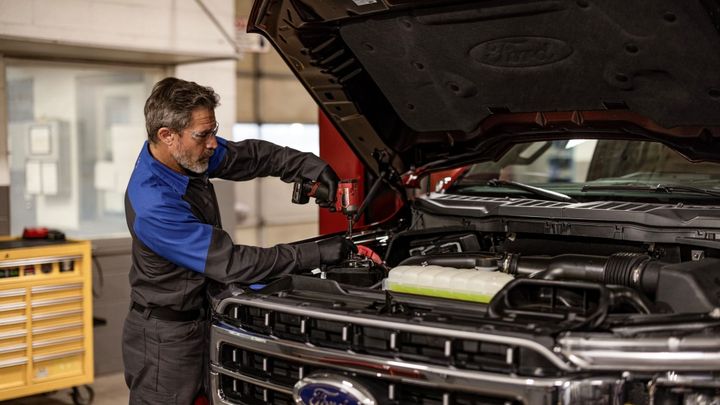
For everyone else, the only true solution is periodic mechanical maintenance via media blasting. A technician removes the intake manifold and uses a specialized media blaster and vacuum setup, firing crushed walnut shells or baking soda to strip the carbon. It operates like a sandblasting machine, but the softer media will not damage the aluminum head or steel intake valves. The vacuum extracts the spent media and loosened carbon to ensure no debris enters the combustion chamber. Repair shops list this as a decarbonization service, walnut blasting, or carbon cleaning.
Labor makes this service costly and the procedure is difficult to perform in a home garage, though DIY adapter kits and solvent-soak methods exist.
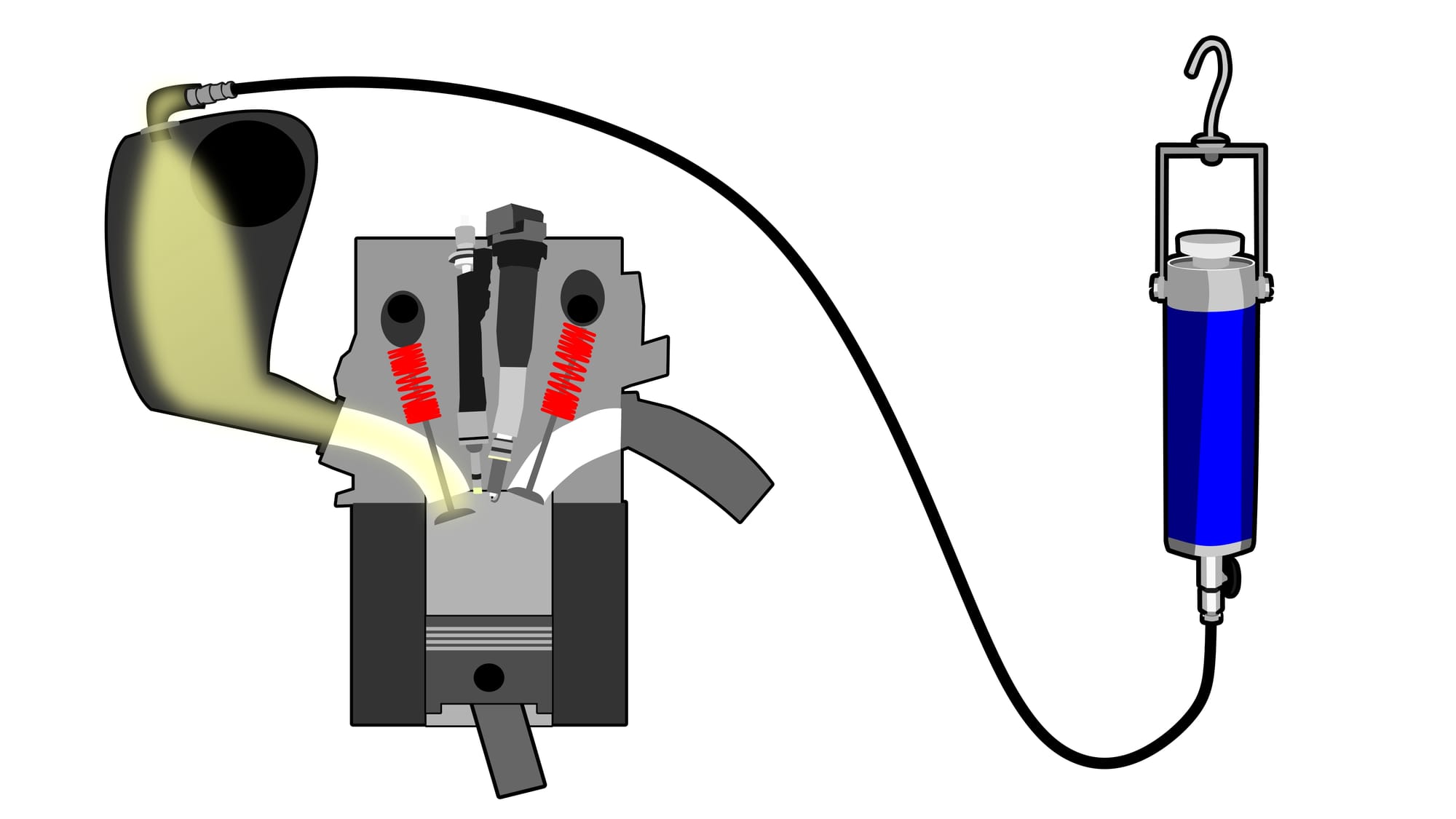
Chemical treatments also help manage deposits. Top-end induction services, such as BG’s Platinum Fuel System Service, atomize solvent through the intake tract to dissolve carbon. Technicians use shop air or manifold vacuum to draw the cleaner through the system.
Regular oil changes remain the single most effective way to slow carbon buildup. As engine oil breaks down, it volatilizes and creates heavier, stickier crankcase vapors that accelerate carbon accumulation on the intake valves. Fresh oil reduces these vapors, prolonging the interval between required media-blasting services.
Allowing the engine to reach operating temperature before driving also minimizes condensation and unburned deposits. Excessive idling should be avoided and that is where start-stop systems help by limiting unnecessary idle time in heavy traffic, reducing buildup over time.
What to Watch for When Buying a Used Car
Buyers purchasing brand-new vehicles will not encounter this issue for tens of thousands of miles. On GDI-only engines, plan for an intake valve cleaning every 40,000 to 60,000 miles, depending on driving and maintenance habits.
Used-car shoppers should be wary when reviewing vehicles in this mileage range. Look for documented service history confirming intake carbon cleanings every 40,000 to 60,000 miles and oil changes at recommended intervals, ideally every 3,000 to 5,000 miles. Chemical induction cleanings are a plus, but they do not replace regular oil changes and media blasting for intake valve decarbonization.
Without documented maintenance, approach the purchase with caution, particularly with private sellers. A reputable dealer or independent pre-purchase inspector can check the intake valves using an automotive borescope inserted through the intake runners. You can also spot common symptoms of advanced buildup by looking for a rough idle, sluggish throttle response, and cold-start misfires.
Support Independent Auto Journalism

If you found this technical breakdown helpful, consider supporting our work directly on Patreon so we can keep deep-dive automotive guides free of corporate influence. You can also represent the brand by picking up apparel, decals, and gear over at the Carbage Merch Shop.


Comments ()