
How to Become an Auto Mechanic: Beginner Tools, Training, and Career Guide
Older mechanics are retiring and there is a need for wrench turners, here’s how you get started.
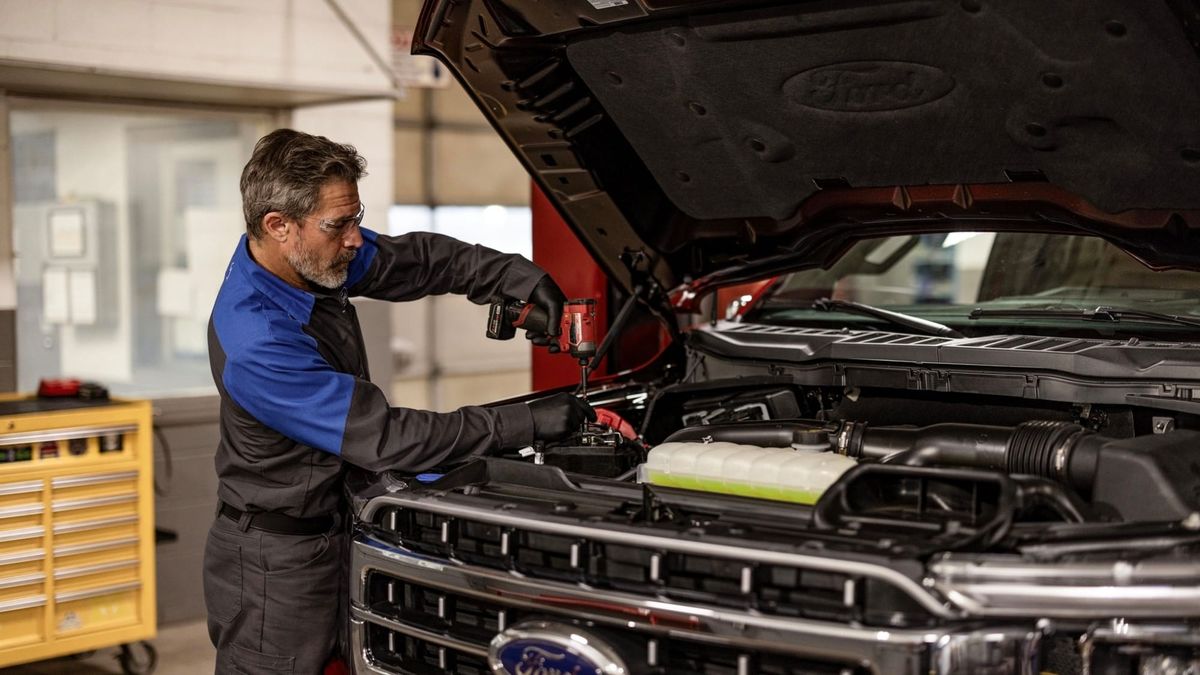
Quick Summary:
- Don’t Stress About Your Tools: You don’t need tens of thousands of dollars of tools, just get a set that offers a lifetime warranty.
- Start Learning On Your Own Vehicle: The best place to start learning is by working on your own vehicle first, then expand to family or friends.
- It’s a Dirty, Low-Paying Start: The beginning position you’ll start at is being a lube tech, but there is opportunity to grow with the right shop.
- There Are Other Paths: Even if you find out that working on cars isn’t your career path, there are other paths you can build yourself into.
Reading much of the news, technical and white-collar jobs have fallen on hard times due to layoffs and the expansion of artificial intelligence (AI). But there are fields of work where AI and robotics haven’t been able to infiltrate and replace humans, and one of those is auto mechanics, or auto technicians if you want to sound fancy. However, if you look inside any dealership or professional garage, the tools and their storage make entering seem daunting, especially as a teenager or someone in their early 20s. Although the work isn’t easy, it’s not as challenging or expensive to enter as you may think. Here’s a guide to help get you into your local auto shop as a technician, and how that can also be just the start to a lifetime career in the auto industry.
Tools
Key Facts: Don’t spend too much | Harbor Freight is a good source for tools | Tool storage can be bought at pawn shops or Goodwill
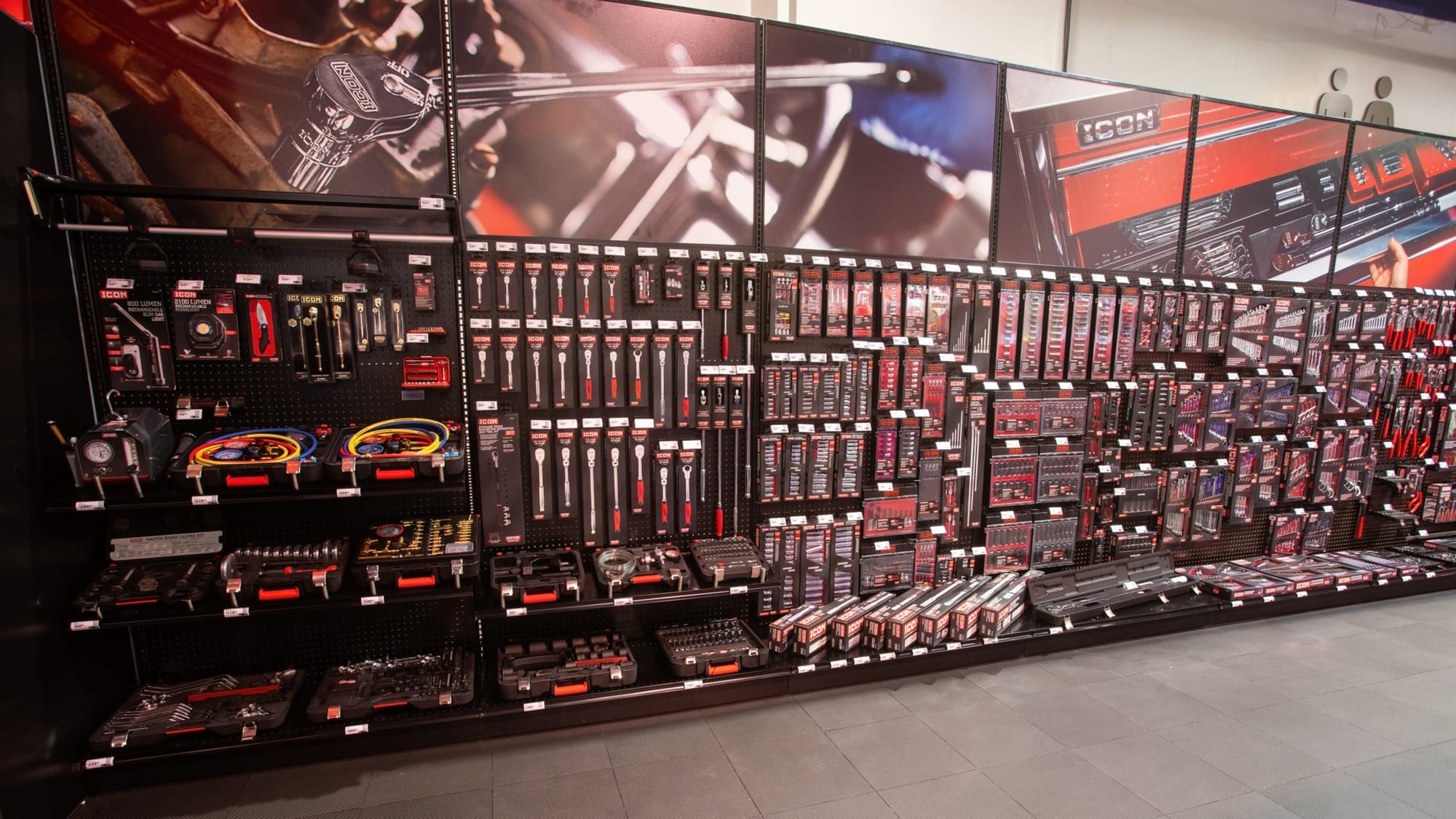
This is probably the first area where beginners panic, and there is some legitimacy to it. You need tools to work on a car. But there is good news here: you don’t need tens of thousands of dollars in tools to get started, and you don’t need to open an account on a tool truck and go into debt right away. The best place for any beginner to get tools today is your local Harbor Freight.
The first set you should buy includes wrenches, drivers, and sockets, like the Quinn Master Technicians Tool Set. It’s not the highest-quality set, as it’s only $430 at the time of writing, but it is good enough to get you started and gain experience before investing in professional tools. It also comes with a lifetime warranty, so you can get a socket wrench replaced if it ever stops working. If you have a bigger budget, start with their Icon brand of tools, but it doesn’t offer an entry-level mechanic’s set like their Quinn line does.
Other tools to consider are pry bars, plier sets, and pick sets. Again, you don’t have to splurge, but stick with Quinn or Icon. It also won’t hurt to have a set of Torx bits or sockets as part of your starter kit. In all, you should be able to walk away without spending over $1,000, or just brush against it.
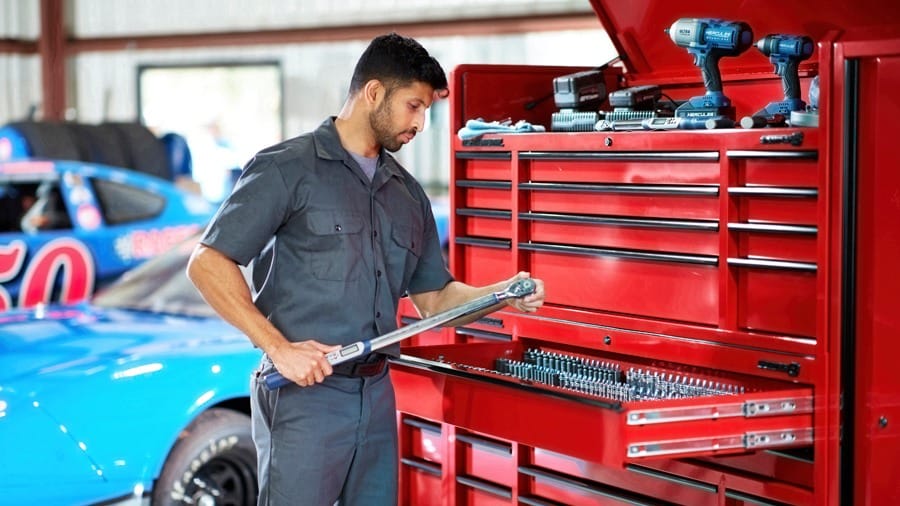
You’ll also want a toolbox to carry it all in, and you can end up spending too much here if you’re not careful. You don’t necessarily need to start with a metal tool chest; a plastic toolbox will be more than enough to begin with. Start with a two- or three-drawer box, or find a modular tool storage system. Another avenue for tool storage is to search Craigslist, Goodwill, or your local pawnshops for decent toolboxes, as you can often find great deals. Pawnshops can be good sources for tools, but none of those will carry a warranty if they eventually break. That’s why we advise getting your tools at the store instead.
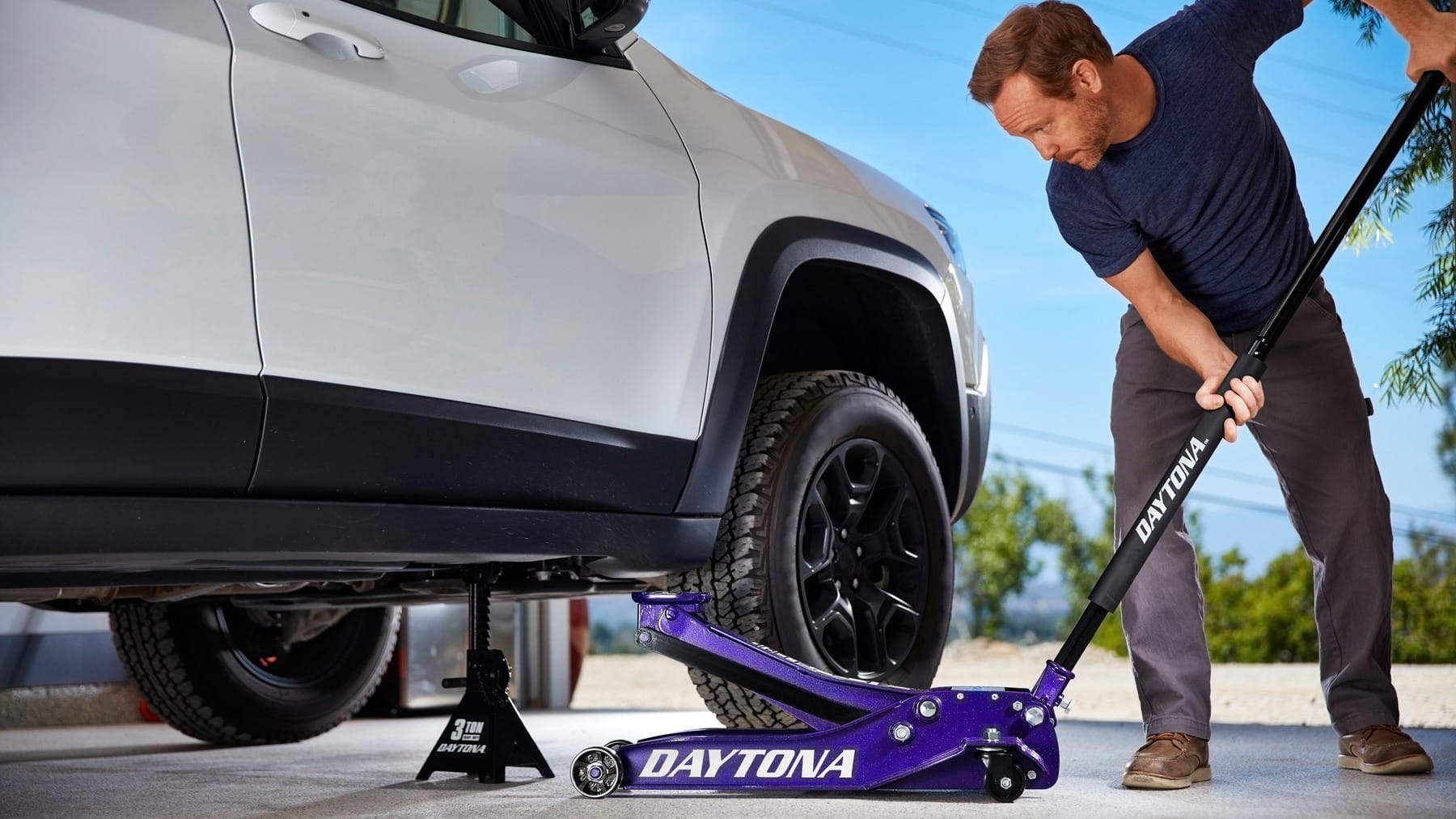
Finally, you’ll want a decent working jack and at least two jack stands. These are, once again, best bought new rather than used. Buy equipment rated above the weight of your vehicle. Why we recommend that will be explained next.
Where to Start Learning
Key Facts: After tools, get a repair manual and start working on your own vehicle | Don’t have driveway space, find a community garage
Knowledge is another area of apprehension for beginners, but here’s the deal: no mechanic knew how to work on a car from day one. Sure, there are those who were part of a family of mechanics or grew up in a family business, but that’s not the case for everyone. Most start just like you: curious, eager to learn, but with no idea where to start to get that experience. If you’re not fortunate enough to have someone teach you, it’s not an easy path, but you can start with your own vehicle and repair guides like Chilton or Bentley (the publisher, not the car company) manuals. Forums, Facebook groups, and YouTube can be great guides as well, but you should always refer to those factory manuals if there is conflicting information from those sources.
Start with regular maintenance first, such as oil changes, air filters, wiper blade replacements, and tire rotations. It is simple work, but important in your journey as an auto technician because it helps you build confidence and experience. Using those guides as you work on your own vehicle will teach you not only how to work on your car, but also the verbiage, techniques, and how to find information in a repair manual.
Once you start feeling confident, begin doing maintenance on vehicles owned by your family, friends, or neighbors. Just be warned that you will become the go-to person for auto repairs, but it is another avenue to expand your knowledge beyond your personal vehicle.
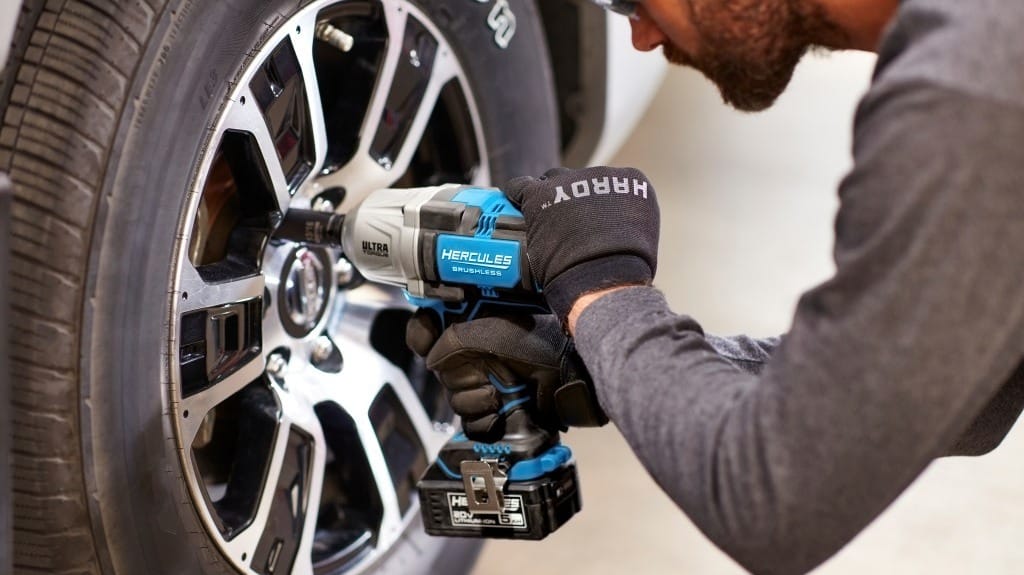
For those who live in the city or in an apartment, that probably sounds impossible. You may even be prevented from working on your vehicle due to local laws or HOA rules. What do you do then? There are options. If you have a family member or friend with a driveway and no restrictions on DIY auto repair, see if they will let you work at their house.
Another option that can also serve as a source of learning from someone experienced is a community garage. These are places where you can rent shop space to do auto repairs. They usually have experienced staff on hand to assist you, and some even have specialized tools you might not have access to for more difficult work. We recommend starting on a flat floor, as it’s not only cheaper but also the right way to begin learning.
Another avenue, albeit a difficult one, is to talk to local independent shops to see if there is any possibility of renting floor space to work. The liability if you happen to get hurt makes this tricky, so expect a hard no or, if they agree, a waiver to sign for their insurance. This might be a great way to lean on the experience of the staff, but don’t interrupt a technician who is hard at work. That is also a primary reason you may find it difficult to rent shop space from an independent facility. Still, if you find a shop willing to let you work, that can be an equally good way to network and even get your foot in the door as a beginner technician. But expect a lot of no's to your requests for shop space.
What About an Automotive Trade School?
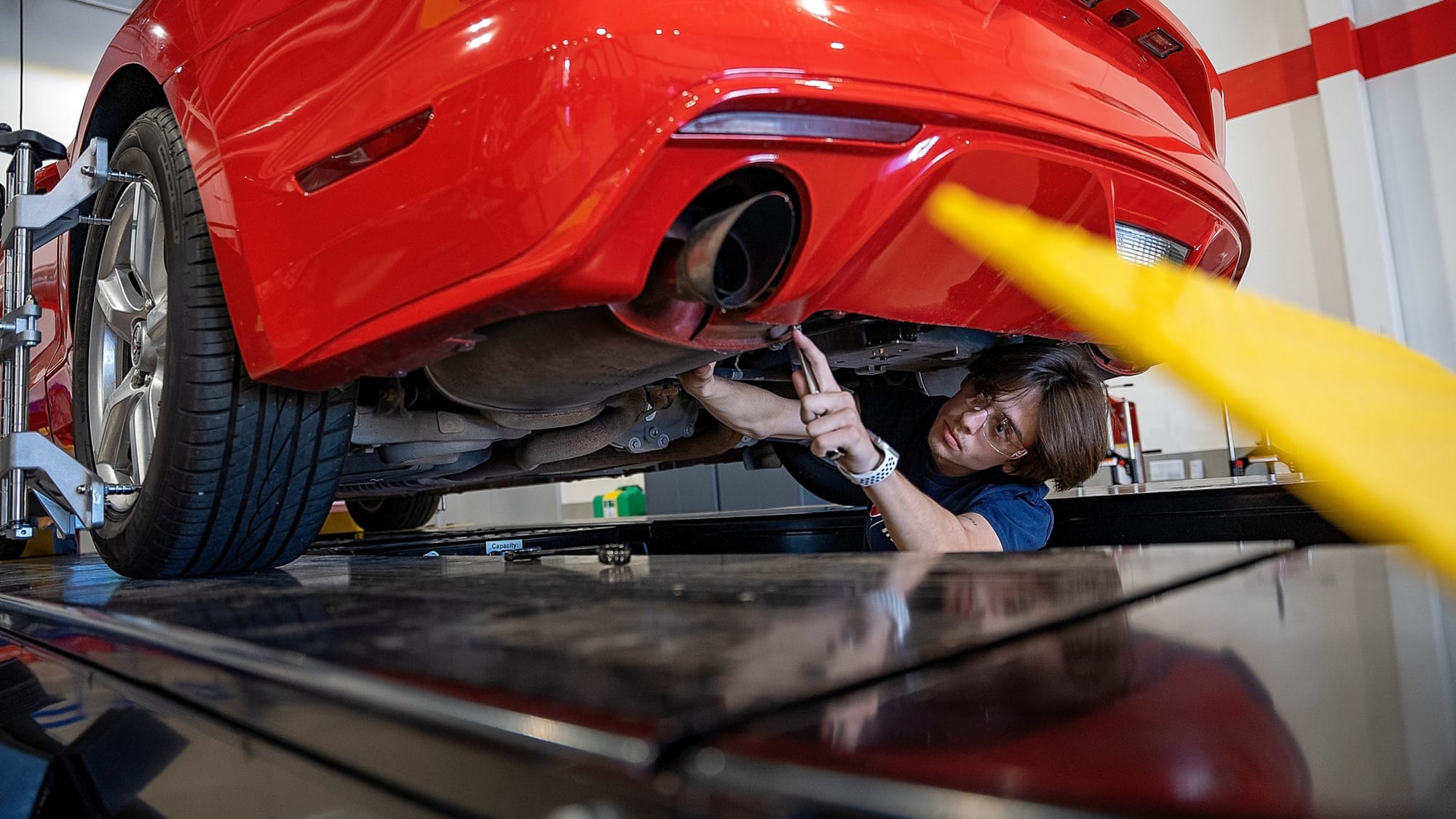
There are specialized career schools that only train auto technicians. It’s not a bad way to learn, but it can be very expensive and an easy way to get into a lot of unforgivable loan debt. Some of these schools claim to offer job placement at a dealership, promising big money right away, but don’t necessarily believe that. You’ll end up at a dealer, no question, but most likely starting as a lube technician like everyone else. For what you spend at a trade school versus the pay you’ll likely start out at, you’ll probably be in debt for a long time.
Just for clarity, it is possible to start as a regular auto tech straight out of these schools, but that’s not always the case. The programs that do lead directly to tech roles often offer OE-specific courses along with ASE training and certification. You will gain knowledge and experience at these schools for the money you end up spending.
Our recommendation is to avoid for-profit trade schools and find a shop willing to get you trained while also paying you during that training. It’s not as wild a concept as it sounds, especially for OE dealerships. If you can attend an automotive trade school without taking out a loan (such as through a grant or help from a “financially stable” relative), it’s not a terrible way to learn. If you need to borrow money, it might be best to avoid it and move on to our next section.
How to Find a Job as a Beginning Technician
Key Facts: Dealership lube technician positions are perfect for beginners | Don’t discount franchise or independent shops | Be sure there is a career path
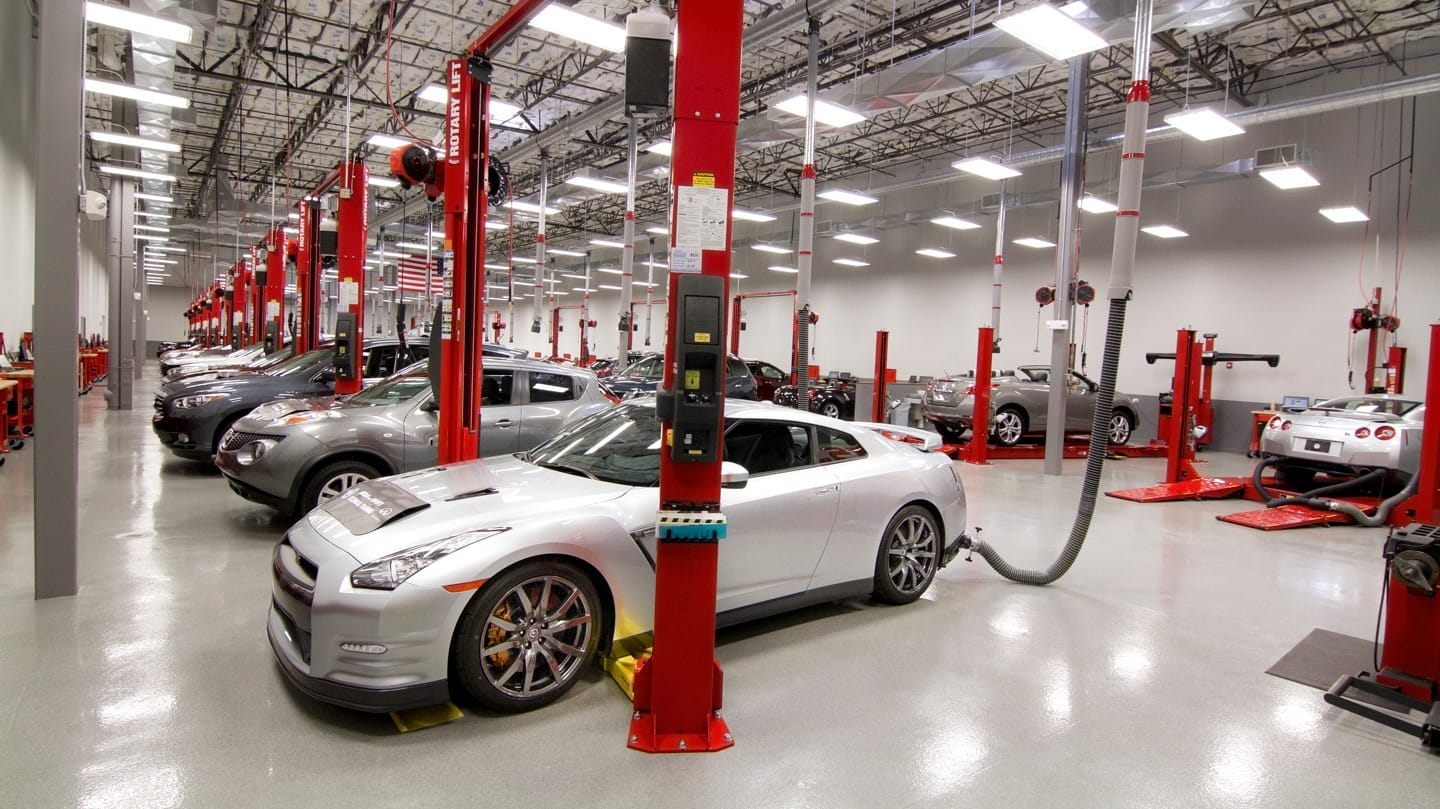
Now comes the next difficult part: finding work. This might not be as hard as it sounds, but you will be starting where nearly every technician does. Look for places hiring lube techs. Major brand dealerships have specialized bays dedicated strictly to routine maintenance. For Ford, it’s called Quick Lane or Quick Lube. For Dodge, Ram, Jeep, and other Stellantis brands, it’s known as Mopar Express Lane. For Chevrolet, GMC, Cadillac, and other GM brands, it’s often called Express Service, or simply Certified Service. BMW and Mini offer FastService or Express Service. The list goes on, so search for openings focused on routine maintenance. The pay will vary, but expect offers near minimum wage for your state. Shops may also pay more if their service demand outpaces the number of available technicians.
The service you'll do will be basic, involving simple oil changes, tire rotations, and other quick maintenance work. This is a good place to develop good practices in combining speed with efficiency as a technician, but expect every repair order to be a rush or "waiter" job. After a year or two, you can start asking about moving into the main shop where more involved maintenance work like decarbonization service, flushes, and the like will be offered.
Another source sits outside the dealership sphere in the world of franchises and box stores. These include places like Firestone Complete Auto Care, Pep Boys, Costco, Walmart, Jiffy Lube, Tire Pros, Discount Tire, and the like. Much like the dealerships, you’ll start as a lube tech. Although you’ll most likely make minimum wage, high service demand relative to technician headcounts might encourage these shops to offer higher pay.
Finally, don’t discount your local independent shop. Just like dealers and chain stores, indies need lube techs just as much as the big brands do. This is where you’re most likely to see the lowest base pay, but finding a good indie shop can lead to a better overall experience as a beginner technician. What they compromise on pay often returns in the form of a supportive shop owner and technicians who will help you overcome your lack of experience. If you’re not in desperate need of income and are simply seeking knowledge, these smaller shops can be an excellent place to start. Do your research before accepting an offer. Learn more about the owner, see how they treat the community, and confirm they deliver quality repairs to their customers.
As with any job, apply to multiple shops and weigh your options. Find the business that fits you best, understands you’re seeking experience, and supports your ambition to grow beyond the lube rack. Look for shops that will mentor you, send you to paid training classes, and provide a clear path to advance your automotive career.
What If I’m Not a Guy or Not Physically Strong?
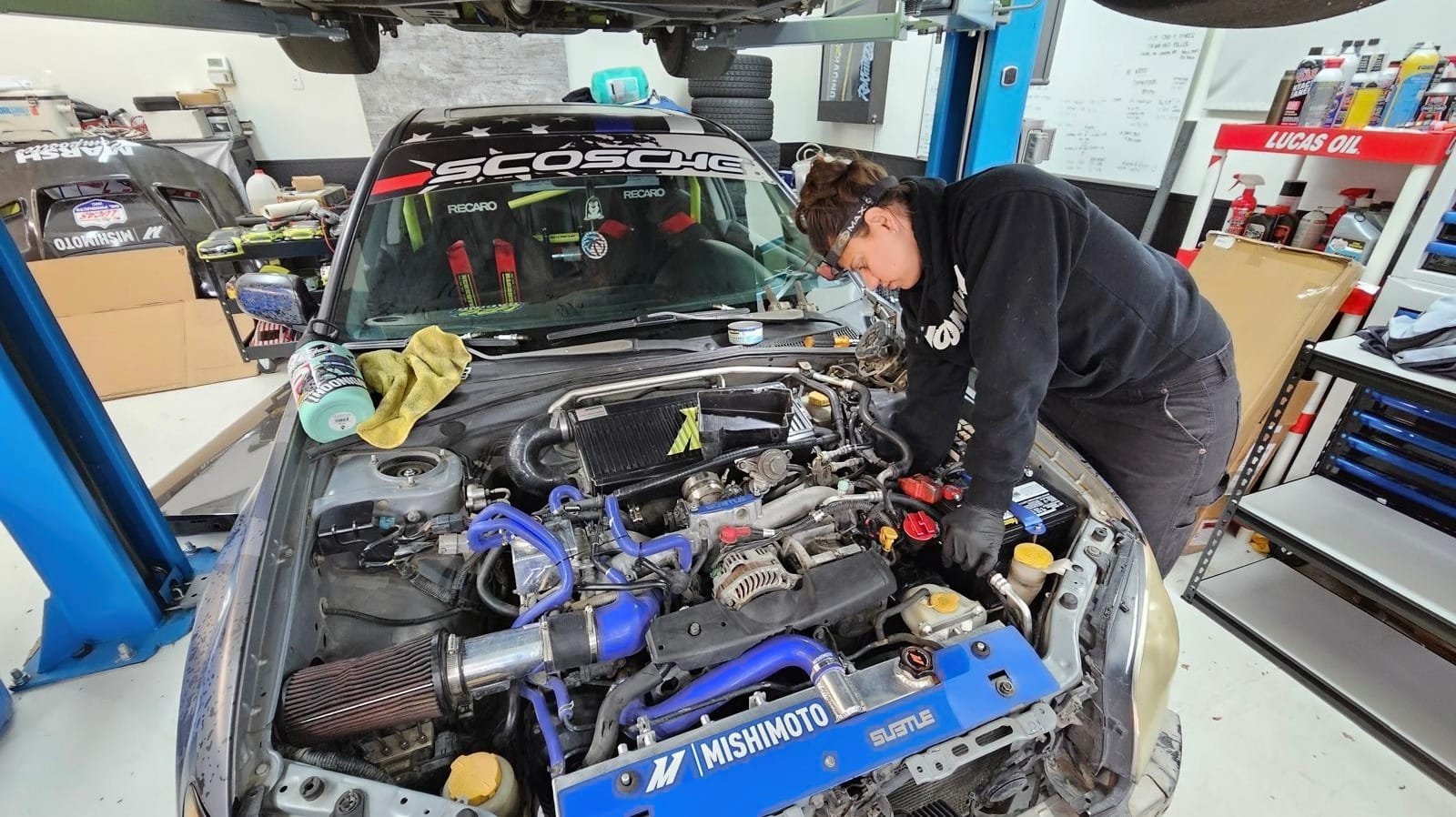
Although people often say the automotive industry has outgrown sexism, the unfortunate reality is that women are still too frequently overlooked. The good news is that the volume of technicians retiring is forcing shops to look beyond gender, and the number of women successfully entering the trade continues to rise.
Automotive repair is not a job that requires specific anatomy. Anyone who implies it does, including hiring managers, isn't worth your labor. Steer clear of them and report discriminatory practices to your state labor board.
Physical strength is part of the job, but nobody expects powerlifter numbers. Just as there are specialized tools for repairs, there is equipment designed to help technicians move heavy assemblies like engine blocks, transmissions, and traction batteries. If you can lift 20 to 50 pounds without issue, you’ll do fine.
Is This Career Dangerous?
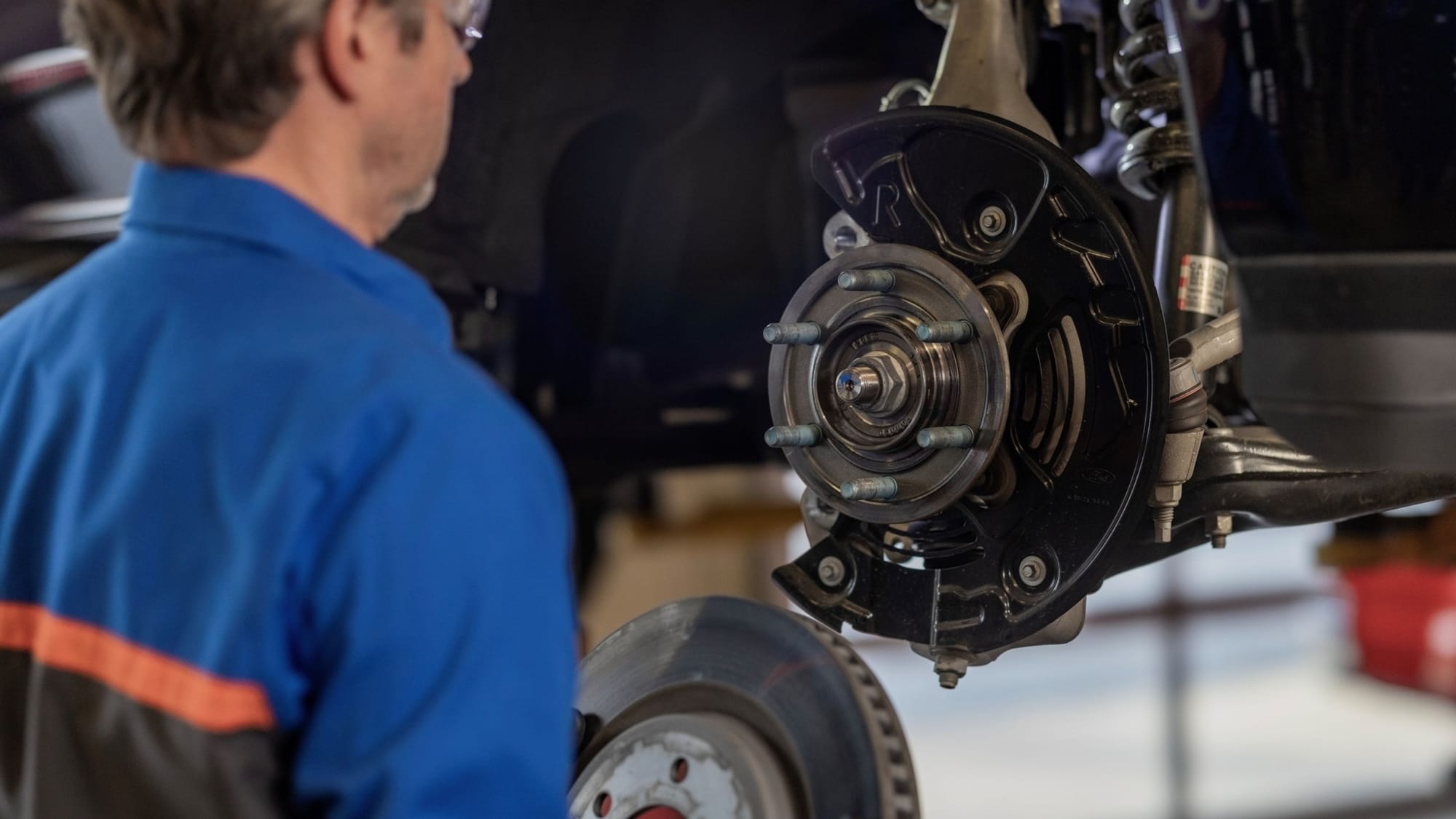
Workplace safety relies heavily on self-awareness and personal vigilance. You aren't walking through a minefield, but you are working around and beneath vehicles that routinely weigh in excess of 3,000 pounds. You must remain safety-conscious every time you pick up a wrench. Always wear personal protective equipment (PPE) like safety glasses and hearing protection, minimize distractions, and stay focused on both the job and your surroundings.
Even with precautions, accidents can happen. People get hurt working on cars, even in well-run professional shops. Serious and fatal injuries occur, and you will hear plenty of shop horror stories about those incidents.
At the same time, many technicians spend their entire careers turning wrenches without suffering catastrophic injuries or witnessing a catastrophic mistake. Often, the worst incident you'll see is a vehicle returning on a flatbed because a technician forgot to torque an oil drain plug.
And to be clear: that repair bill does not come out of your paycheck. Shops carry liability insurance for those exact mishaps. As long as you don't make reckless mistakes routine, you won’t lose your job over a single error. Take the lesson seriously, make sure it doesn't happen again, and expect some good-natured ribbing and a shop nickname along the way.
Continuing to Advance Your Automotive Career
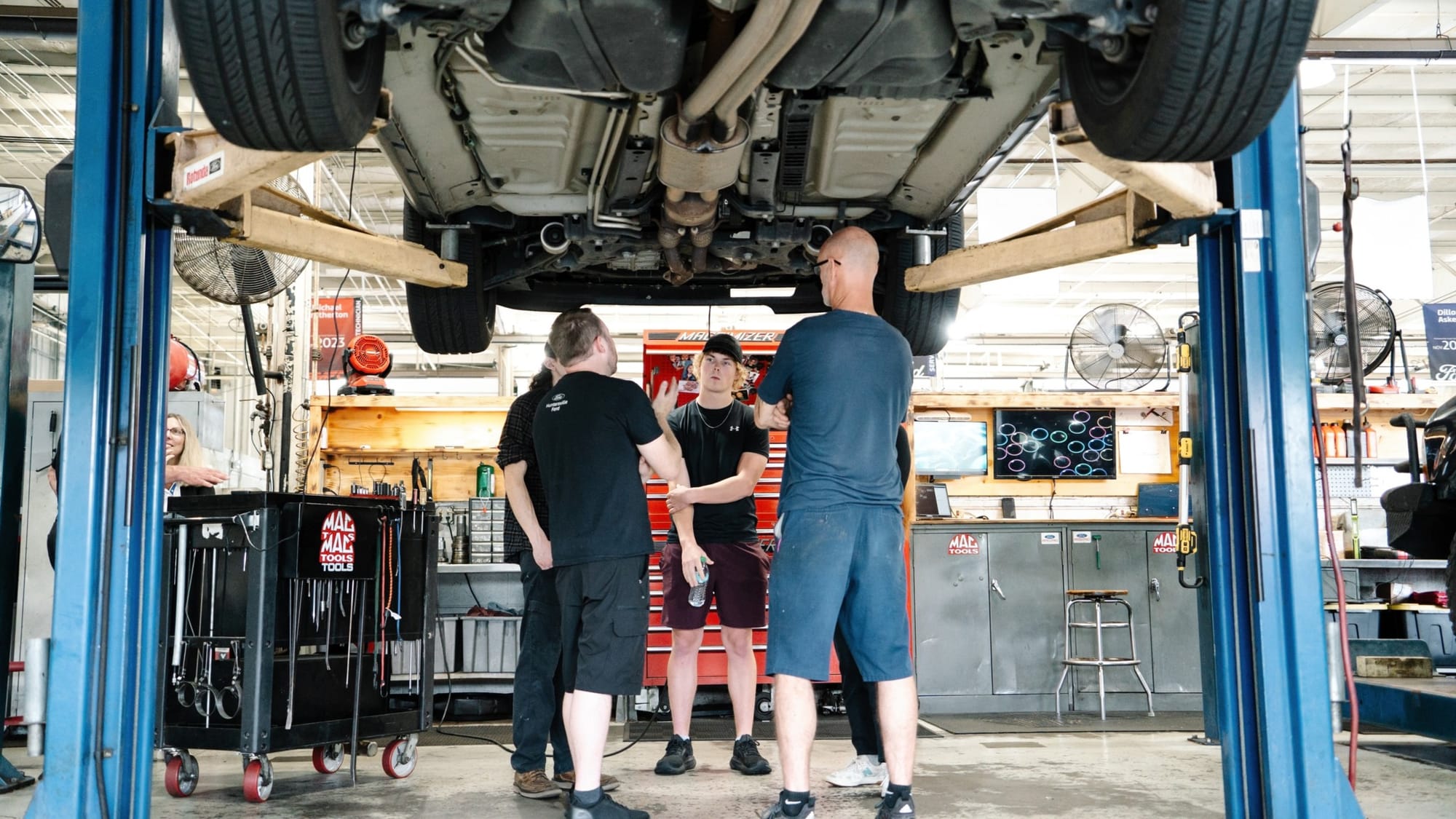
Once you're in the shop, show that you want to advance. If an experienced tech asks for assistance and you have downtime, jump in. Ask questions, but pick the right moments rather than interrupting critical steps. When workflow slows down, ask why they chose a specific diagnostic step or repair technique. Let them know you appreciate the insight. Technicians take notice of that attitude, and they will start pulling you over to watch complex repairs or asking you to help with advanced jobs.
Word gets around quickly. Shop owners and service managers pay attention to who wants to learn, and that drive makes them far more likely to send you to paid training and factory certification courses. Those certifications are the exact credentials that unlock higher hourly rates, flat-rate hours, and production bonuses down the road.
What If It Turns Out It’s Not For You?

You also need to prepare for another reality: turning wrenches might not be the right match for you. While raw strength rarely presents an obstacle, tight engine bays and cramped under-dash work demand physical dexterity and flexibility. Speed matters as well, particularly in flat-rate environments where pay is calculated by book times rather than actual clock hours. If you love cars but wrenching isn't a long-term career fit, what are your options?
One practical lateral move is the service drive as a service advisor or writer. If you have solid interpersonal skills, your mechanical knowledge lets you clearly explain complex repairs to car owners. You can walk them through necessary work, prepare them for unexpected issues, and give them confidence based on your hands-on background.
Another path is working in a dealership or aftermarket parts department. Direct repair experience helps you source the right components quickly, spot associated hardware a DIYer or installer might forget, and recommend appropriate tiers of replacement parts based on real-world use.
Then there is the path taken by your author: automotive journalism. Breaking in requires persistence, networking, and landing your work in front of the right editors, but you would be amazed how few automotive writers have turned a wrench. Hands-on experience gives you an immediate edge. It allows you to explain recalls, dissect new internal combustion engines, evaluate new drivetrain technologies, and evaluate chassis hardware without parroting or totally relying on a manufacturer press release. The same holds true for independent content creators on YouTube, where mechanical literacy instantly builds viewer trust.

Other opportunities exist across the mechanical trades. You can apply those skills to professional motorsports crews, commercial diesel maintenance, agricultural machinery, or heavy construction equipment. You can also pivot away from transportation entirely into stationary fields like commercial HVAC, plant maintenance, or medical equipment repair. Learning to turn wrenches provides foundational diagnostic problem-solving skills that travel anywhere. You just have to pick up the tools and take the first step.
Support Independent Auto Journalism

Love real-world automotive guides and honest industry takes? Consider supporting Carbage.Online on Patreon to keep this content free from corporate fluff, and grab some gear over at the Carbage Merch Shop.
Comments ()