Why the NHTSA is Turning Up the Heat on Ford and Its 1.0-Liter EcoBoost Engine Failures
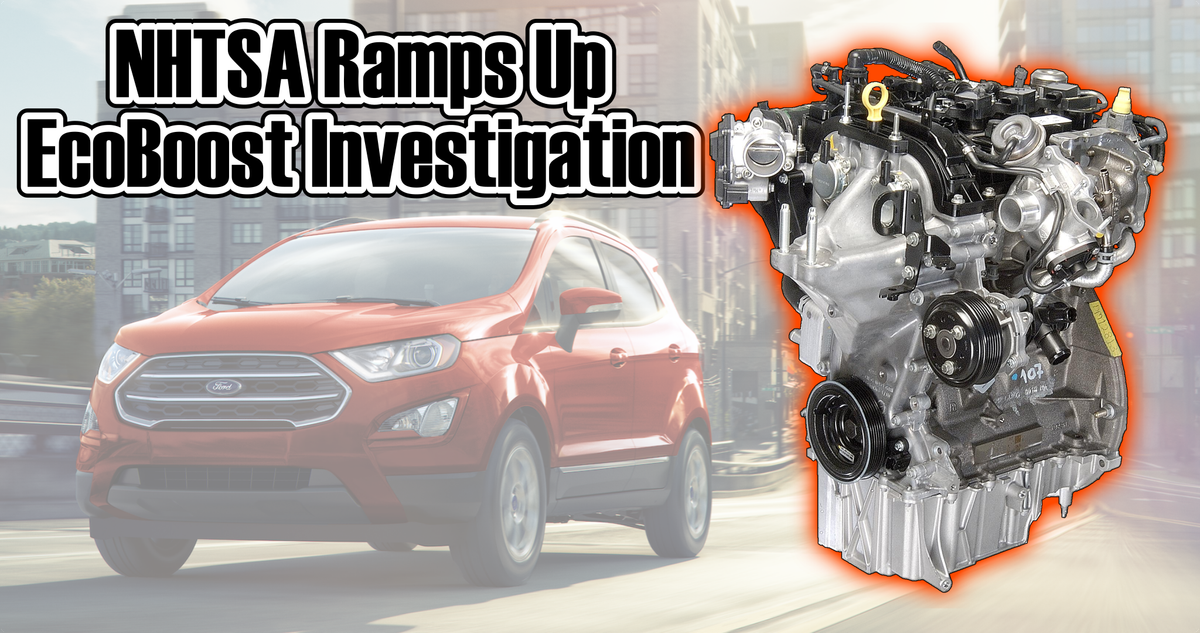
The regulator says over 355 incidents have been reported related to loss of power and seizures.
The Quick Answer:
- The NHTSA has seen that timing belt failures occur in 2014–2021 Ford EcoBoost 1.0-liter engines.
- Oil degrades the bonds of both synthetic and natural rubbers, causing the belt to lose structural strength.
- This loss of structural strength creates rubber particles that clog the oil pickup, leading to engine failure due to oil starvation.
- Reports of degradation occur well before the 150,000-mile timing belt replacement maintenance schedule.
It has been nearly six years since the last Ford vehicle came with the 1.0-liter EcoBoost turbocharged I-3 engine in the U.S. These little economical engines were equipped on many of the Blue Oval’s popular sedans, hatchbacks, and crossovers between 2014 and 2021, meaning there are hundreds of thousands of vehicles out there with this engine. Unfortunately, owners may have a ticking clock on their hands as the National Highway Traffic Safety Administration (NHTSA) investigates these 1.0-liter engines for timing belt failures due to their wet belt design.
First, What Vehicles Came with the 1.0-Liter EcoBoost I-3 Engine?
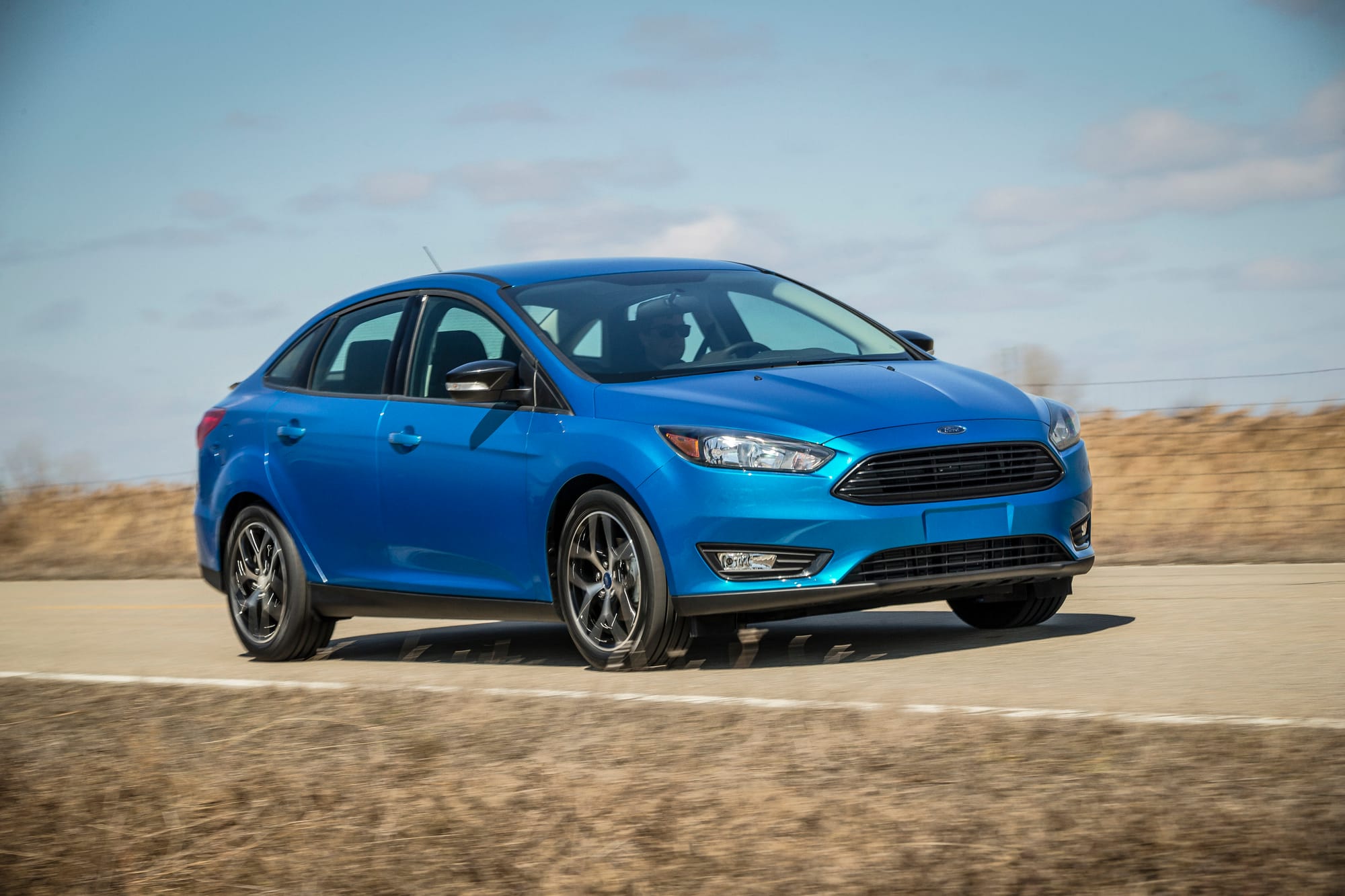
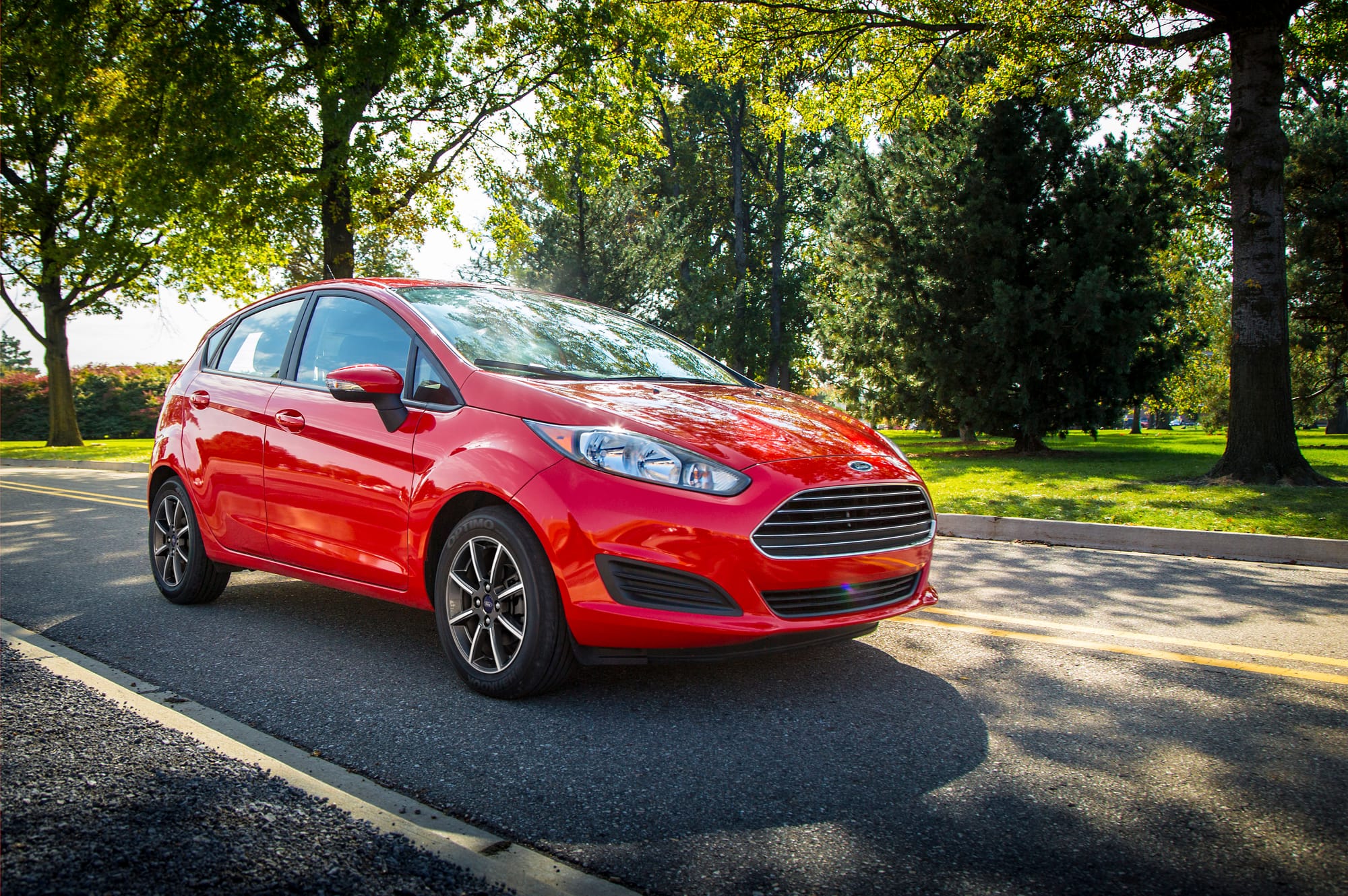
Ford introduced the 1.0-liter turbocharged EcoBoost I-3 engine in 2014 on the Ford Fiesta and continued to use it until it ended production in 2019. This same engine was also used on the 2015–2018 Focus and the 2013–2022 EcoSport. Many of these vehicles came with a traditional six-speed automatic transmission or six-speed PowerShift DCT, but the Fiesta and Focus both offered a six-speed manual as an option with this engine.
What’s the Issue the NHTSA is Investigating on the 1.0-Liter EcoBoost I-3 Engine?
The issue relates to the timing belt and the oil pump pickup due to its wet belt system. Most rubber timing belts sit separated from the engine’s oil as a dry assembly. The 1.0-liter turbocharged I-3 EcoBoost engine instead uses a timing belt system that exposes the belt to the engine’s oil in the oil sump.
There Might Be a Recall Coming

As of right now, there is not a recall pending on 2014–2021 Fords with the 1.0-liter EcoBoost engine. But with 355 reported incidents on record, data from Ford, and a preliminary engine teardown, the NHTSA has determined that an Engineering Analysis is needed and there is an unreasonable risk to motor vehicle safety. This means that the Office of Defects Investigation (ODI) will perform component-level and vehicle testing to determine the next steps and whether a recall is warranted.
Timing belts on automotive engines are replaced at specific mileage intervals, and Ford’s 1.0-liter turbo I-3 is no exception. Its usual interval is every 150,000 miles, but 98% of these failures have occurred well before that, with the average failure happening at around 70,000 miles. Regular oil changes are also important in a wet belt timing system, as the used oil accumulates more raw fuel and other chemicals created by chemical breakdown over its lifetime. However, these failures have also occurred when owners have proof of regular oil change intervals.
The other bad news is that neither you nor your mechanic can easily inspect the oil pump pickup because the oil pan cannot be removed with the engine in the vehicle. The only indication that failure is about to happen is when the low oil pressure light turns on, but that is usually too late as engine failure happens almost as soon as it lights up—if the light turns on at all.
What Is Ford Doing About the Timing Belt Issue with the 1.0-Liter EcoBoost?
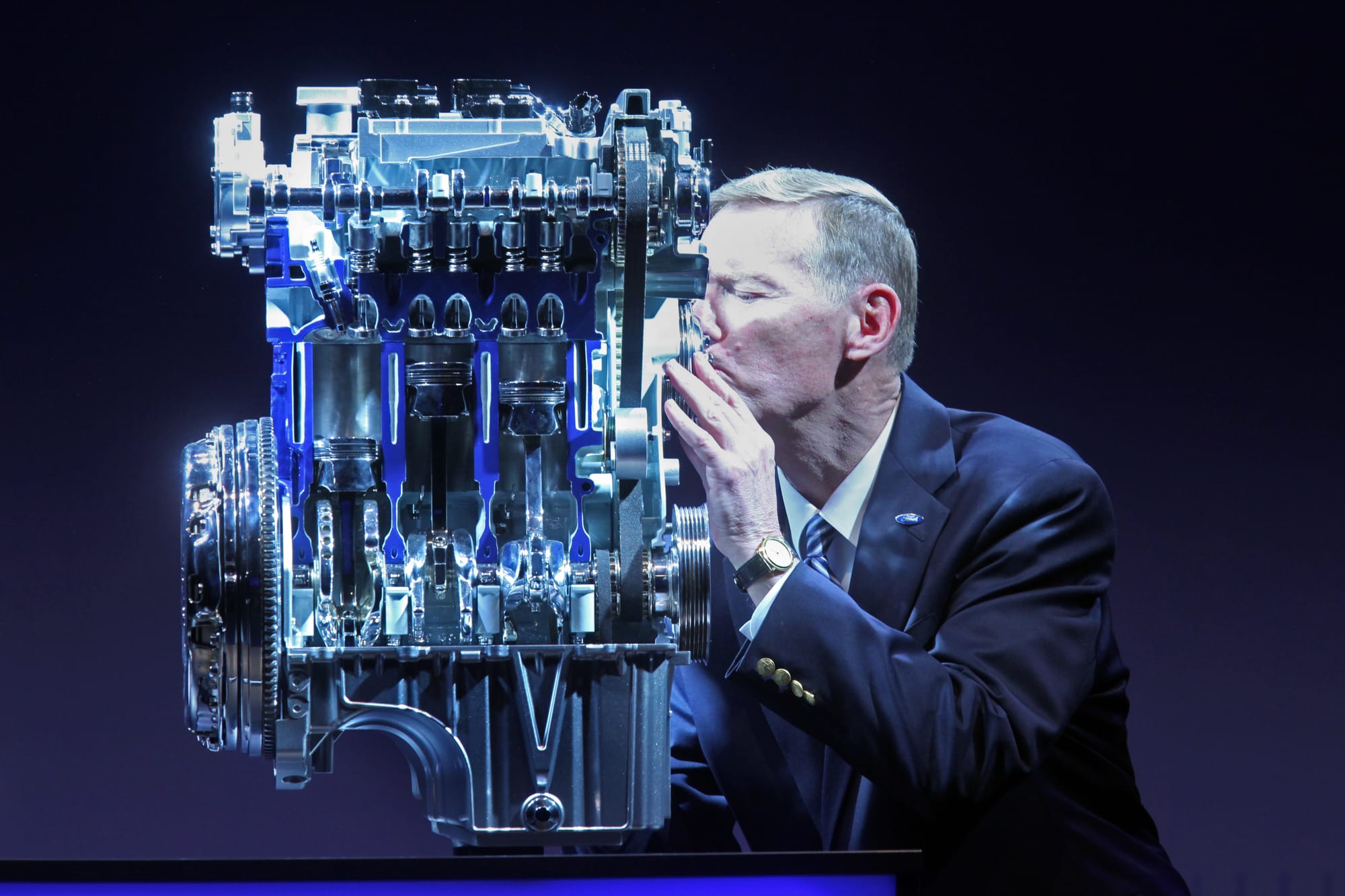
On June 2, 2026, Ford notified the public that it was reducing its original maintenance interval for timing belt replacement as part of its customer satisfaction program. The new timing is 100,000 miles or every six years, whichever occurs first. Ford will also reimburse “eligible customers” who paid to have their engine repaired or replaced due to a timing belt issue.
Why Does It Use a Wet Belt System in the First Place?
Although it is not common, the wet belt timing system offers a compact design, reduced friction, and quieter operation compared to a dry timing belt. If you compare a dry timing belt engine to a wet version, you will see that the lack of a sealing surface or wall does not reduce the length of the engine assembly, but it does reduce the overall height, allowing the engine to sit that much lower in the engine bay. That is important in countries that require pedestrian injury mitigation, as there is more crumple space between the hood and the top of the engine. This space helps reduce the energy a pedestrian’s body would need to absorb in the case of an impact.
Reduced friction in the timing system aids in making the 1.0-liter engine even more fuel-efficient beyond its diminutive displacement. Oil helps reduce the inherent friction between the teeth of the timing sprockets and the belt in the same way it does with metal-to-metal gears. The oil creates a thin film layer between the two and acts as a liquid bearing. It can also help reduce the heat that naturally occurs as the belt circulates and bends, as the oil will absorb that heat and shed it away. Finally, it also acts like a vibration damper, which is why it is a quieter system over a dry timing belt.
What’s Making a Wet Timing Belt Such a Bad Choice Now?
In industry practice, a wet timing belt should lead to a longer service life, but the reality of the automotive world is far harsher due to the chemicals present in engine oil. And we are not talking about just what is used to formulate engine oil. Unburnt gasoline will find its way into the crankcase and work with the oil to break down the adhesive bonds of the rubber. Just like the solvents that some race cars use to soften tire rubber—though that potentially reduces tire life (there are exceptions)—this causes the timing belt to start shedding bits of rubber that then end up in the oil pan. These particles then clog up the oil pickup and starve the engine of oil, leading to engine failure.
Before You Go
If this news on the Ford 1.0-liter EcoBoost helped you make sense of what this investigation is all about, consider backing us on Patreon.
Carbage.Online is 100% independent. We don't take money from manufacturers to write biased reviews, and we don't run annoying pop-up ads. We are funded strictly by fellow wrenchers and enthusiasts.
- Behind-the-scenes garage logs as we build our project cars.
- Early access to technical breakdowns.
- Exclusive voting power on which platform we tear down next.
Become a Carbage Patron on Patreon

Comments ()