Why Did a Nickel-Resist Piston Insert Trigger a Recall for Ford?
The recall is due to pistons that were manufactured with a defect and caused the piston dome to fail.

Quick Summary:
- Affected Models: Roughly 10,001 2026 Mustangs, Rangers, Broncos, Explorers (2.3-liter Ecoboost), and Bronco Sports (1.5-liter Dragon I-3).
- The Defect: A machining collision created cracks between the aluminum piston and Ni-Ring insert, which triggers piston dome failure.
- The Fix is a Long Block: Technicians will inspect pistons and replace the complete long block if ringland or piston dome damage is found.
- Dealer Stop-Sale: Ford halted sales of units built between Feb. 16 and April 22; replacement long blocks are expected on or after Dec. 21.
The pistons inside engines live a rough life to give our vehicles the power to drive. They must handle pressures as high as 1,500 psi (just enough pressure to snap a human femur) during each power stroke, doing so thousands of times per minute. They also need to survive thousands of degrees during combustion and the rapid cooling that comes afterward. All so we can enjoy short bursts of acceleration in our daily lives and travel from Point A to Point B. That is also why pistons must be manufactured to tight machining tolerances or risk catastrophic failures, such as those the Ford 2.3-liter EcoBoost I-4 engine in the 2026 Mustang, Bronco, Explorer, and Ranger, along with the 1.5-liter Dragon I-3 found in the 2026 Bronco Sport, are experiencing now. Although that explains the recall, it does not explain what happened or why the Ni-Resist insert was used.
The unique nature of a turbocharged engine places substantial demand on pistons, especially in direct-injected engines like the Ford EcoBoost I-4 and Dragon I-3. These engines not only face increased combustion chamber pressure due to forced induction, but they also endure hotter cylinder temperatures than old-school port-injection engines like the Duratec V-6 and I-4 that used to be the base-engine darlings at the Blue Oval.
What the Ni-Ring Insert Does
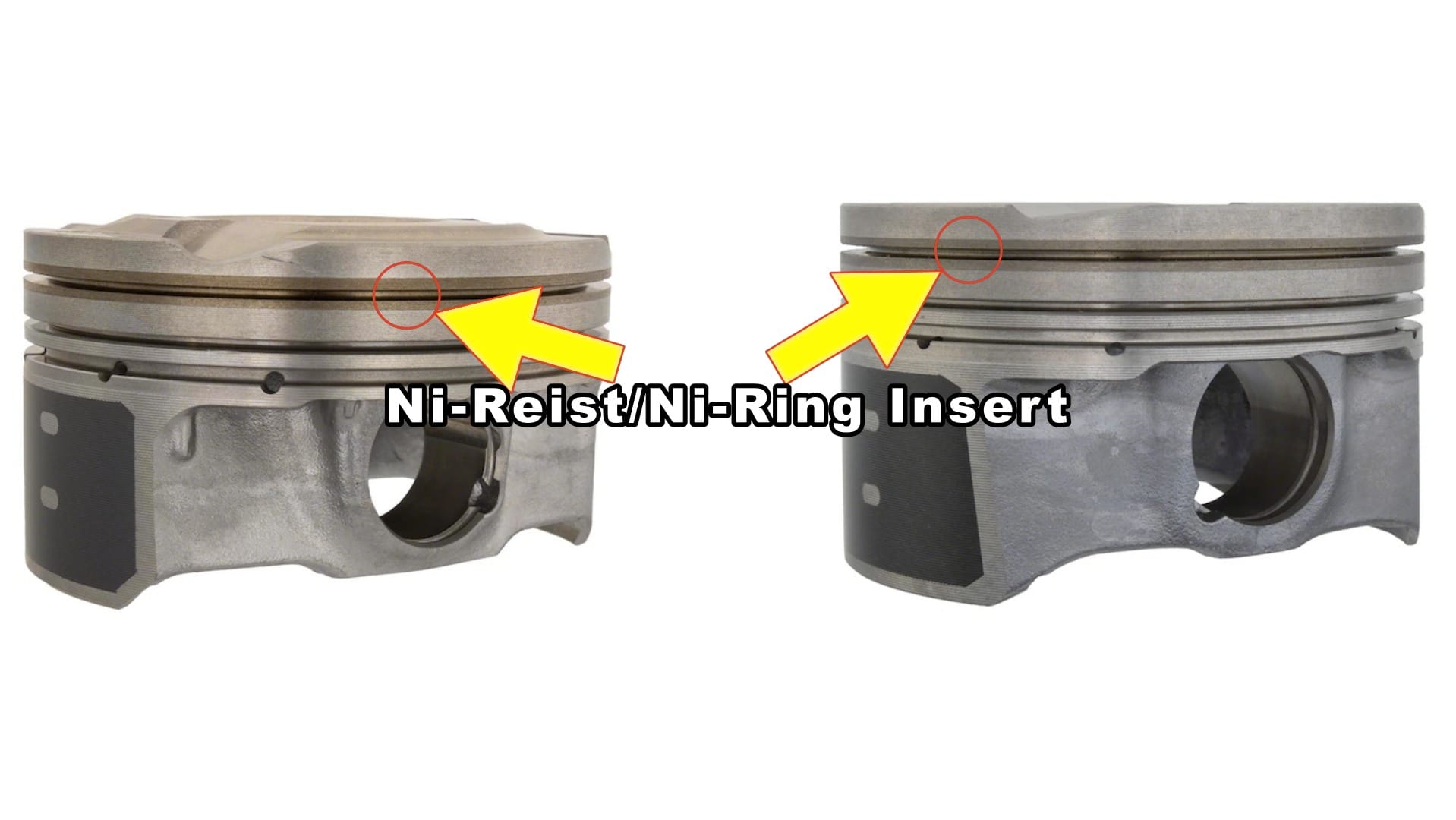
Because of that heat and pressure, the aluminum pistons of the EcoBoost 2.3-liter and the Dragon 1.5-liter utilize a special design featuring a nickel-based metal insert placed between the compression ringland and the groove to support them.
This metal insert is called the Ni-Resist or Ni-Ring insert, and it is made of an alloy (usually iron or cast iron with a high nickel content). It is engineered to resist the immense pressure of boosted air and combustion forces to prevent the ringland and dome from failing, as the rest of the piston consists of a softer aluminum alloy. Without it, the ringland, the dome, or both will fail due to the operating forces and heat.
Although it was identified as the area of concern, the insert itself is not the root source of the failure.
What Triggered the Recall
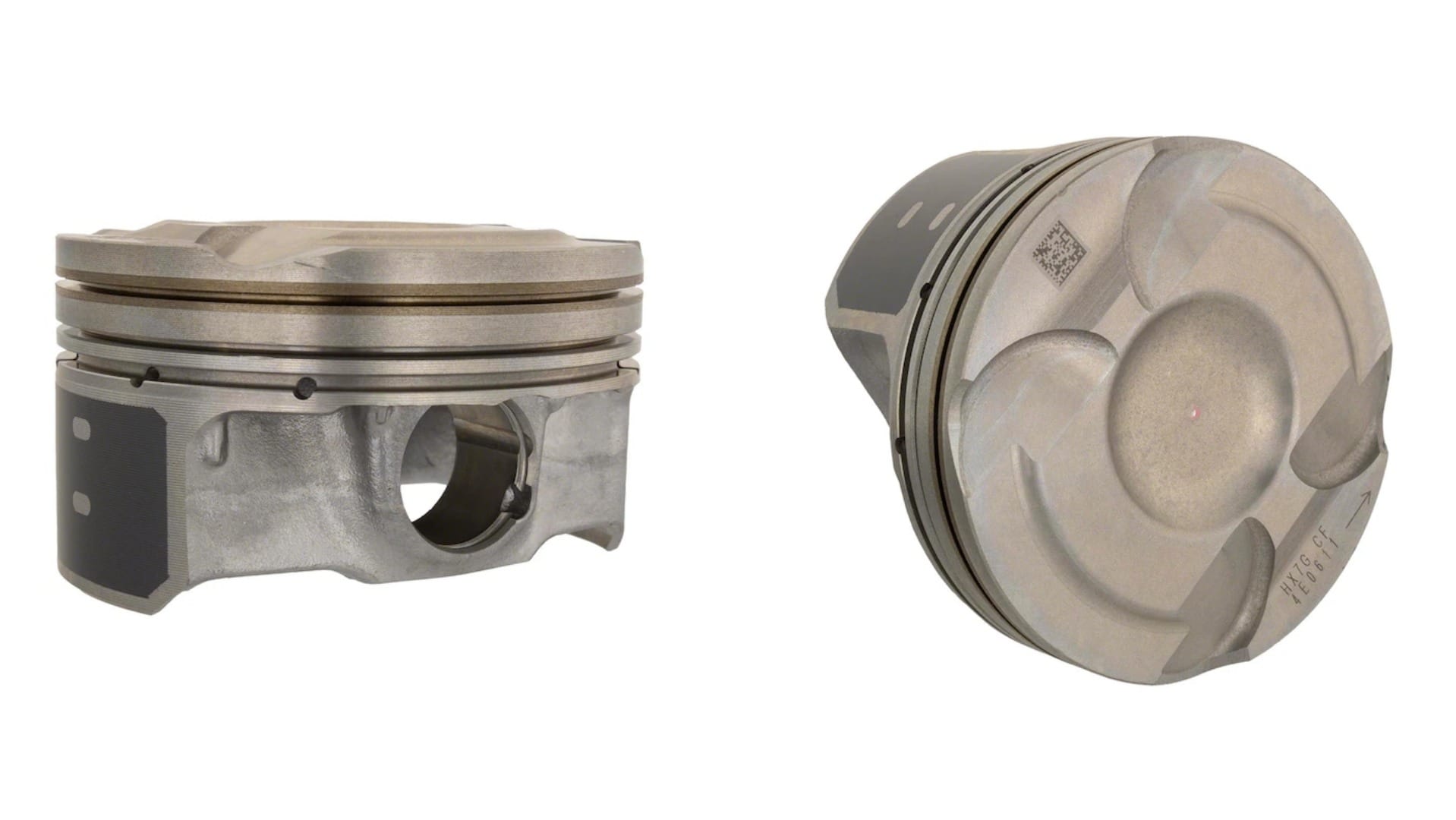
The failure stems from a manufacturing defect by supplier Dong Yang Piston at its Mexico piston casting plant. According to the NHTSA 573 report, during an end-of-line teardown of a 2.3-liter EcoBoost from a 2026 Ford Explorer, technicians found that the piston dome had shattered. Only a few days later, Ford discovered an identical failure in 5 2026 Bronco Sports equipped with the 1.5-liter Dragon I-3.
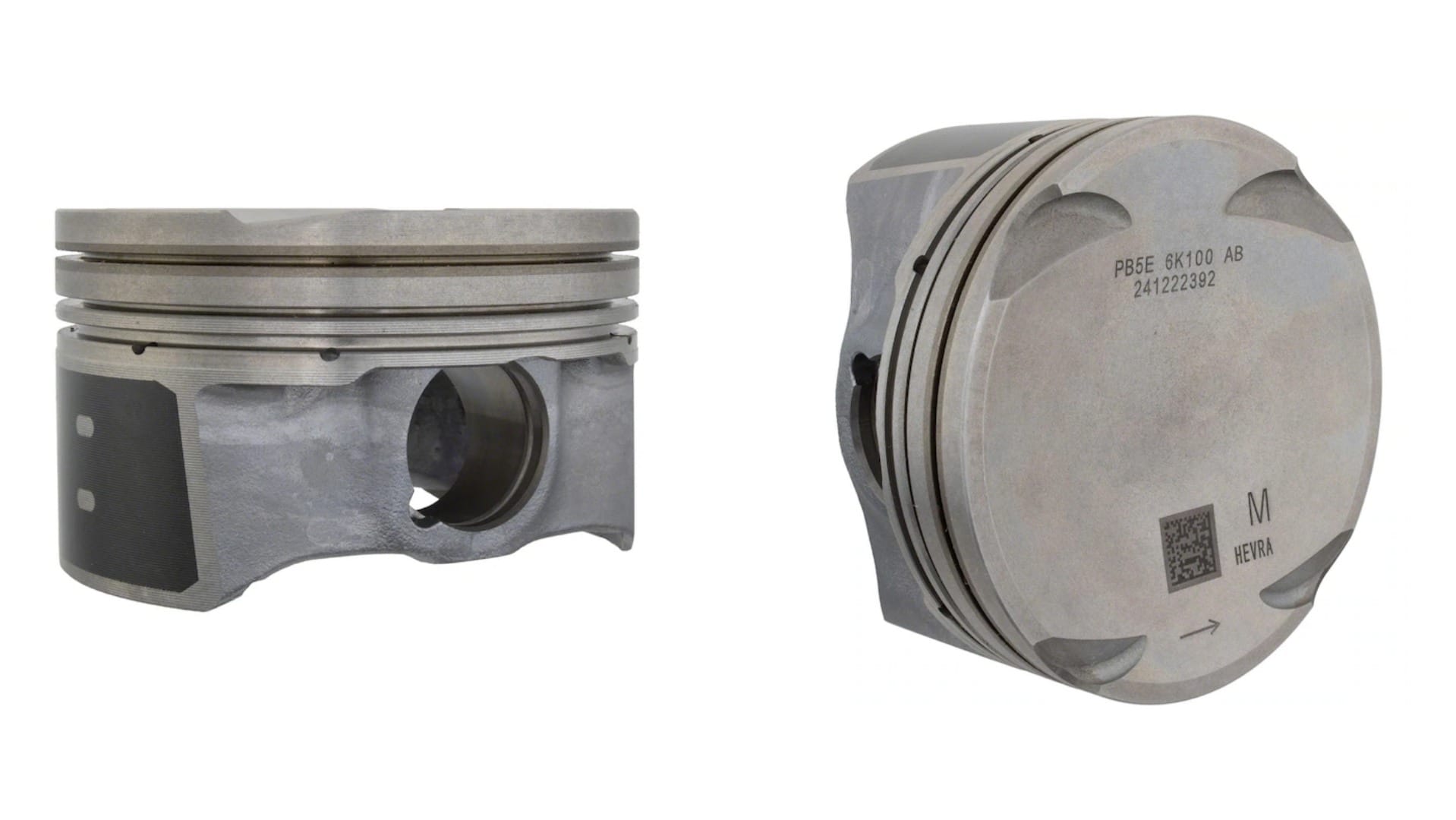
Ford worked with Dong Yang Piston to identify the root cause and discovered that a machining collision as part of the after casting process created a hairline crack where the Ni-Ring and aluminum piston meet. This crack eventually leads to the structural failure of the piston dome and destroys the entire engine assembly.
Pistons are ultrasonically tested before shipment to Ford’s engine assembly plants for the 2.3-liter EcoBoost and the 1.5-liter Dragon I-3, but Dong Yang’s ultrasonic testing rig had not been recalibrated after a sensor replacement. According to Ford, 38 test engines failed at assembly plants, and 13 failed after leaving vehicle assembly.
Why Is the Fix (Nearly) an Entire Engine?
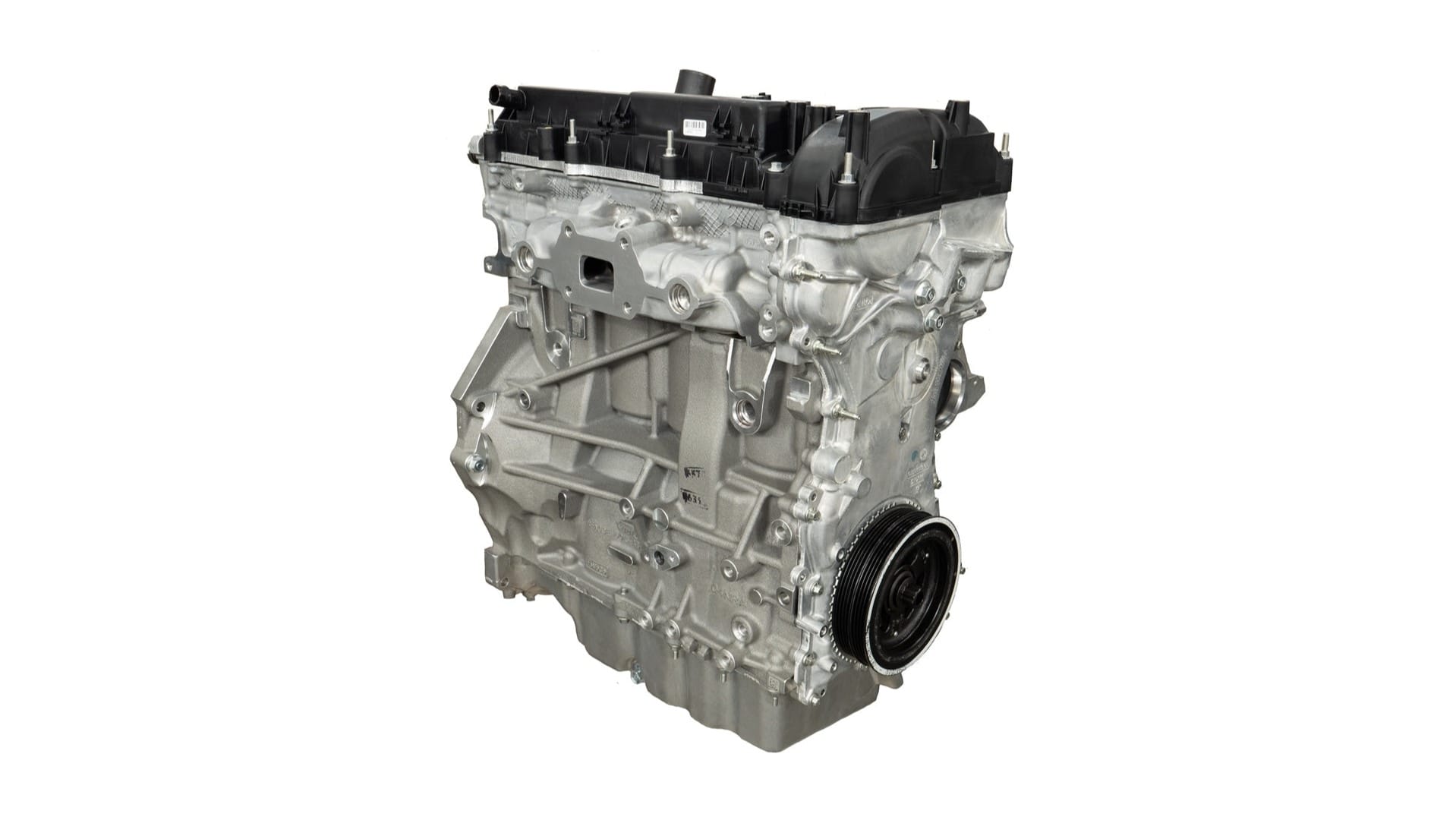
Now that the failure has been identified, the theoretical fix is straightforward: replace the pistons. In practice, that is not a viable field remedy. Ford dealership technicians will inspect pistons using borescopes to check for signs of ringland or dome failure. If evidence of cracking or deformation is found, the entire long block will be replaced.
A long block includes the full engine assembly without certain bolt-on ancillary components, such as the intake and exhaust manifolds, most of the accessory drive, the alternator, the AC compressor, and other exterior parts not required to form a sealed rotating assembly.
The reason Ford and other OEMs choose a long-block replacement comes down to two factors. First is time: replacing a long block is far faster than tearing down an engine down to the crankshaft to replace individual pistons. Anyone who has performed an engine rebuild knows that cylinder bores must also be measured and machined to the tolerances of the new pistons, adding significant labor and costs. A complete long block also eliminates tedious tasks like timing the valvetrain, as that is pre-set at the factory.
Second is insurance. Installing a fresh long block is much safer because metal shrapnel from damaged pistons can migrate throughout the oil galleries and passages, where that debris might linger even after an extensive teardown and flush.
Long Blocks Aren’t Available Yet
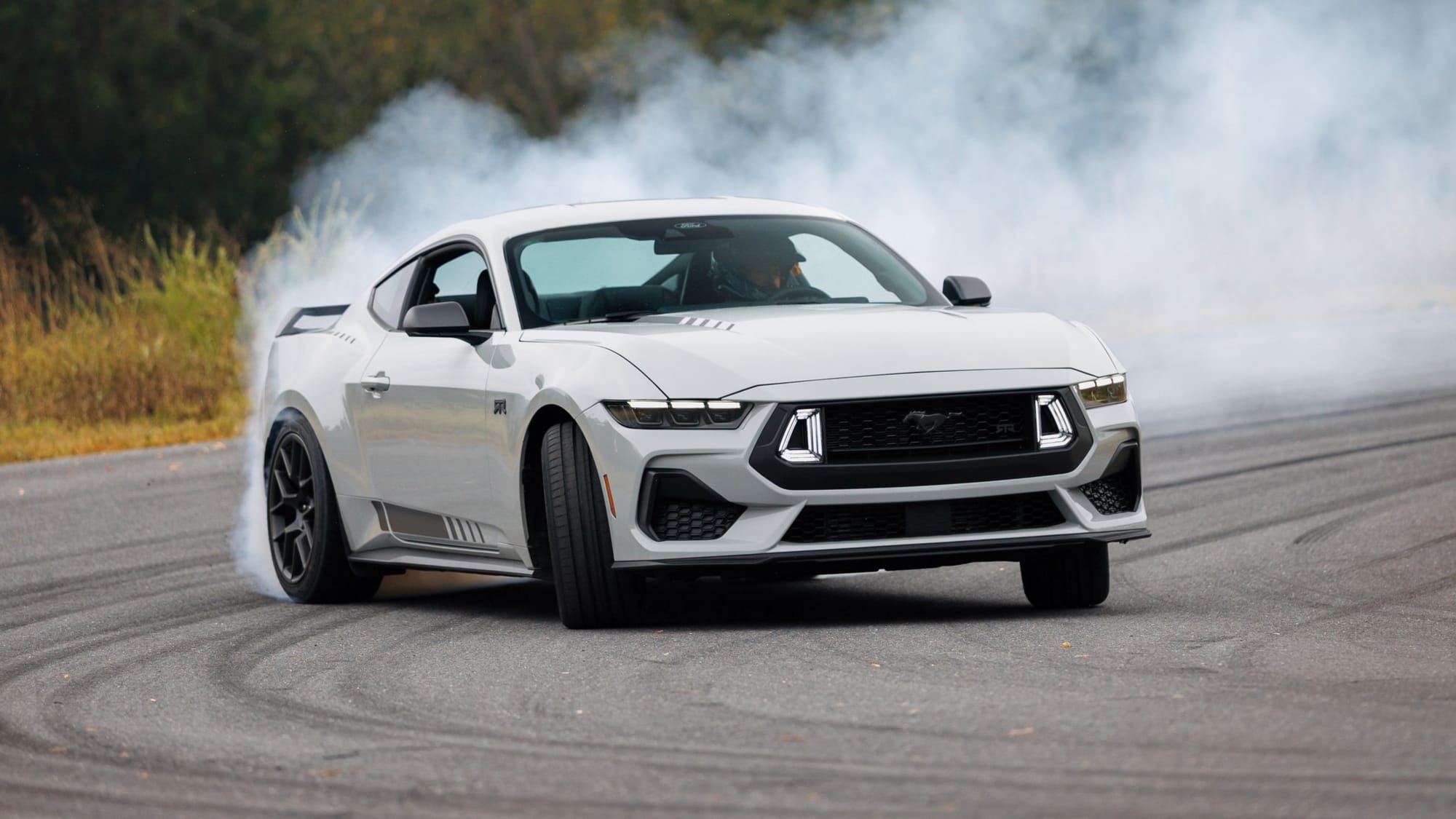
There is another complication: because this defect was only recently discovered, replacement long blocks are not yet in stock. The earliest Ford expects to supply them is on or after Dec. 21, when it plans to mail remedy notifications to affected owners. However, initial recall notices will reach owners much sooner.
To prevent affected 2026 models from leaving dealer lots, Ford issued a stop-sale order on units built between Feb. 16 and April 22. Dealers are prohibited from using these vehicles for test drives due to the increased risk of catastrophic engine failure occurring without advance warning beyond a sudden check-engine light, abnormal noise, or misfires during driving or idling.
What Vehicles Are Affected

Because this issue emerged early in the 2026 production run, Ford notes that approximately 10,001 vehicles (roughly 0.5% of affected nameplates on U.S. roads) are involved. The 2026 Bronco Sport represents the largest portion of the campaign because the 1.5-liter turbocharged I-3 serves as the standard base engine across all trims.
Vehicles not listed were assembled using unaffected pistons sourced outside the suspect production window or from different supplier runs.
Support Independent Automotive Journalism

If you appreciate deep-dive technical teardowns and unfiltered automotive industry reporting, consider backing Carbage on Patreon. You can also represent the brand directly by picking up fresh gear, apparel, and decals over at the official Carbage merch shop. Every contribution keeps us working to make sure you're fully informed about the auto industry.


Comments ()