
U.S. Auto Manufacturing Loses 10,800 Jobs Despite Tariff Promises
Payrolls at auto parts suppliers also fell by 2.5% in a 12-month period since June 2025.
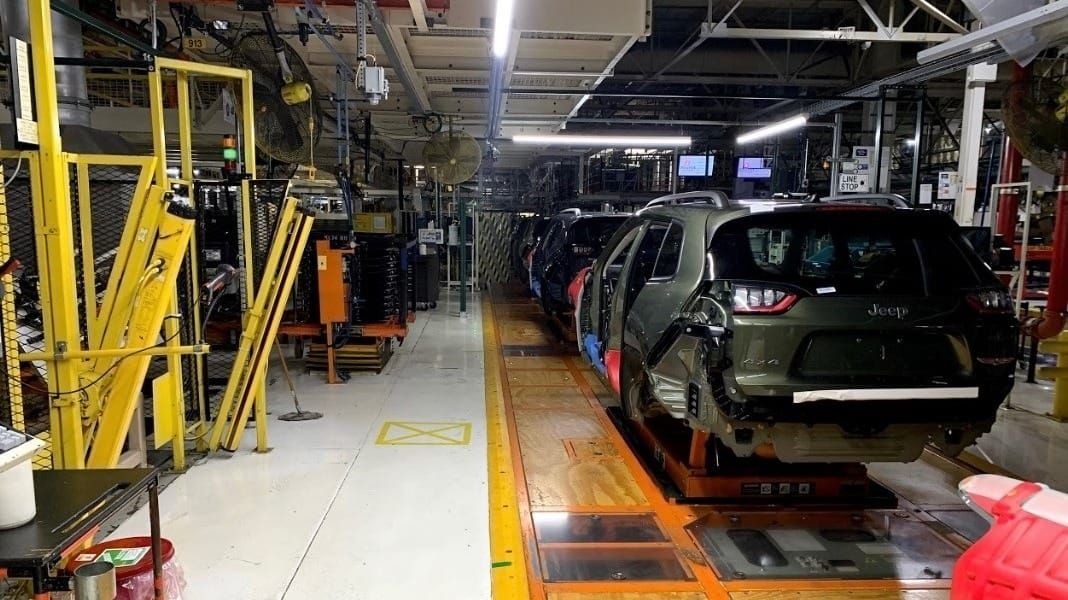
Quick Summary:
- Auto Manufacturing Jobs Fall: Between March 2025 and July 2026, auto manufacturing jobs fell by 1%, seasonally adjusted.
- Tariffs Are Partially to Blame: Prior to tariff rules, March 2025 auto manufacturing jobs reached 975,300; July 2026 jobs stood at 964,500.
- Adding New U.S. Plants Might Not Help: Even as manufacturers promise more assembly plants, they have also increased automation.
- Dealership Jobs Remain Steady: Although auto and parts manufacturing saw losses, dealership employment held steady, shedding only 2,000 positions since May.
According to a report from Automotive News (subscription required), automotive and parts manufacturing have seen a combined 1% loss in jobs since March 2025. That date is critical because it marks the month prior to the Trump administration implementing its contentious tariff strategy, when the sector hit a peak of 975,300 jobs. Fast-forward to July 2026, and the sector has shed 10,800 workers despite promises that tariffs would bring manufacturing and production positions back to the U.S.
Tariffs Have Made an Impact, but Not an Immediate One
Key Fact: Most newly announced or retooled U.S. assembly facilities will not come online until 2028 or later.
That promise holds some truth. Manufacturers that import and sell vehicles have pledged to return production to domestic soil, pouring investment capital into reopening or constructing production plants across America.
Just this week, Jeep announced its moving Cherokee production from Mexico to Belvidere, Illinois, and last week Ford announced it was moving Chinese Lincoln production to the U.S. Foreign OEMs are also shifting footprints: Last month, Toyota announced plans to build an assembly plant for the Tacoma in San Antonio, and Honda is considering an eighth assembly plant in North America.
Yet those investments have not produced immediate domestic jobs, as most of those facilities will not open or reopen until 2028 or later. The sector also faces headwinds from falling electric vehicle production after OEMs scaled back EV targets when federal incentives ended in September 2025. Several idled plants now face costly retooling projects.
Consequently, another challenge is emerging: these facilities may not hire human assembly workers. More automakers are deploying automation not only to accelerate production lines, but also to curb labor costs to offset capital expenditures.
Dealership Jobs Remain Steady, but Parts Suppliers Suffer Losses
Key Fact: Parts suppliers cut 13,000 jobs (down 2.5%) since June 2025, driven by tariffs and the nationwide EV slowdown.
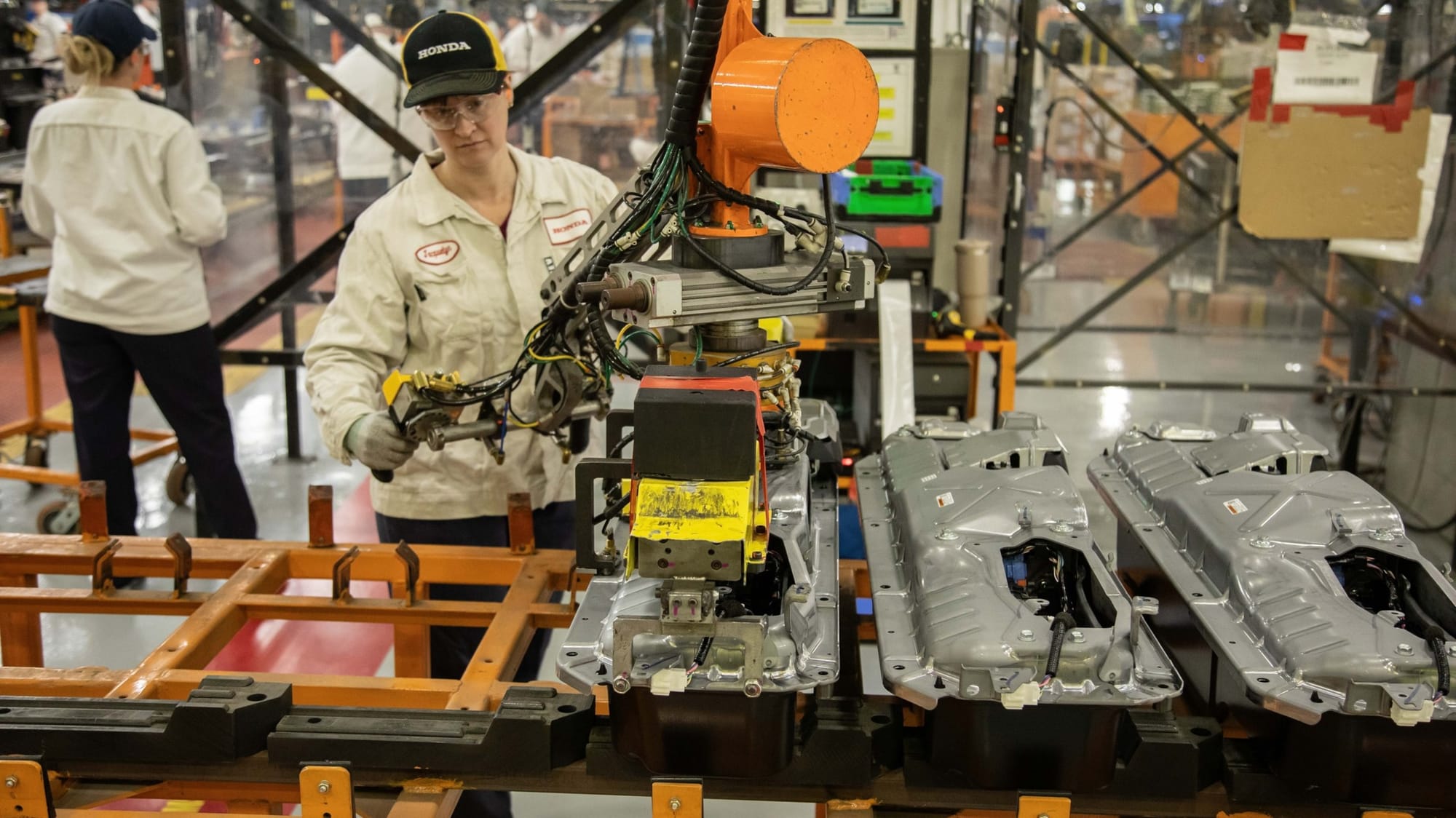
Although dealerships shed 2,000 positions between May 2026 and July 2026, the dip has not troubled economists or dealers. Employment levels have remained largely flat across retail automotive networks.
Payrolls at auto parts suppliers, however, have dropped sharply. Since June 2025, parts supplier jobs have fallen 2.5%, eliminating 13,000 positions. Economists attribute these cuts to tariffs and slowing nationwide EV adoption. Although newly announced U.S. assembly plants should eventually lift supplier demand, the multiyear wait until 2028 means parts suppliers are unlikely to see job growth anytime soon.
Support Independent Auto Journalism
Love deep dives into automotive economics and industry news? Support Carbage on Patreon to unlock exclusive behind-the-scenes content, and grab fresh garage gear over at the official Carbage Merch Shop.


Comments ()