
From Prius to Scout: How Regular Hybrids, PHEVs, and EREVs Actually Work
Regular Hybrid vs. Plug-In vs. EREV: Which One Do You Actually Need?
Quick Answers:
- Hybrid Electric Vehicle (HEV): Better efficiency than gas-only, but very limited electric-only use.
- Plug-In Hybrid Electric Vehicle (PHEV): Gives you a limited EV-only drive mode, but only if you plug it in.
- Extended-Range Electric Vehicle (EREV): An all-electric vehicle with a range-extending generator that doesn’t directly drive the wheels.
Although battery-electric vehicles (BEVs) haven’t fallen totally out of favor, some drivers still hesitate to rely solely on electricity to power their daily drivers. Fortunately, a middle ground has existed for 125 years and far longer than most realize: the “hybrid,” which combines the silent efficiency of an electric motor with the long-distance endurance of an internal combustion engine.
Today, hybrids come in multiple configurations, offering different ways an electric motor and gas engine can combine to form a powertrain. Here is a breakdown of the differences among PHEVs, EREVs, HEVs and other electrified variations in modern automobiles.
What Is an HEV (Hybrid Electric Vehicle)? The Original Form of Vehicle Electrification
Key Facts: The simplest form of electrification | Doesn’t require plugging in | Often no dedicated EV mode

The hybrid electric vehicle (HEV) represents the simplest form of electrification in a modern automobile. The electric motor assists the internal combustion engine to improve fuel economy by reducing fuel consumption or temporarily cutting it out entirely.
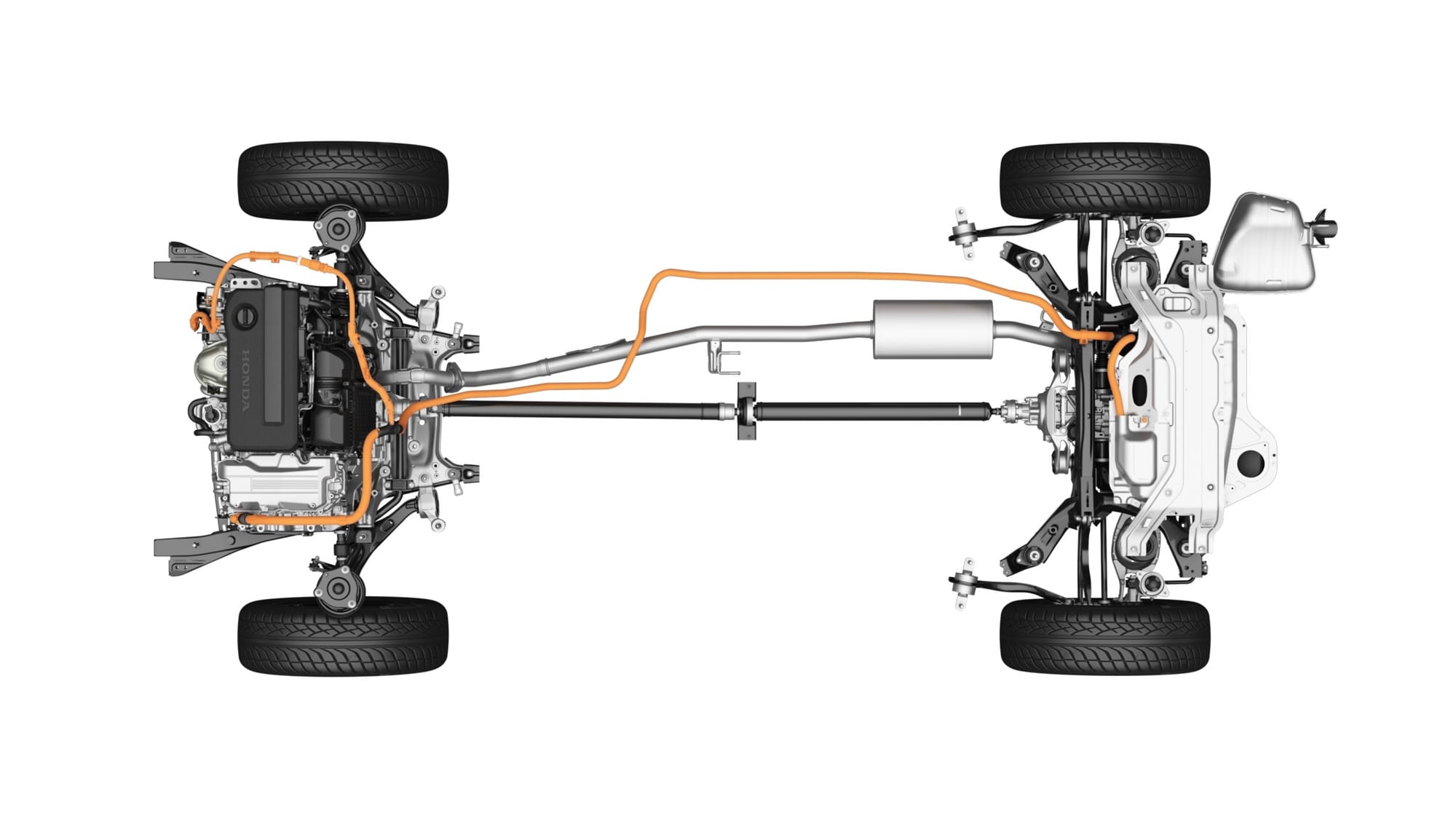
The electric motor operates in short intervals, often when pulling away from a complete stop or cruising below city speeds, typically around 15 to 20 mph. Some do offer an “EV mode” but are limited to under a couple of miles. After that, the motor switches to generator mode to send power back to the battery pack, which remains relatively small compared to dedicated EV batteries. Once the battery reaches a full charge, the motor disengages and allows the gas engine to solely power the vehicle until driving conditions call for electric assistance again.
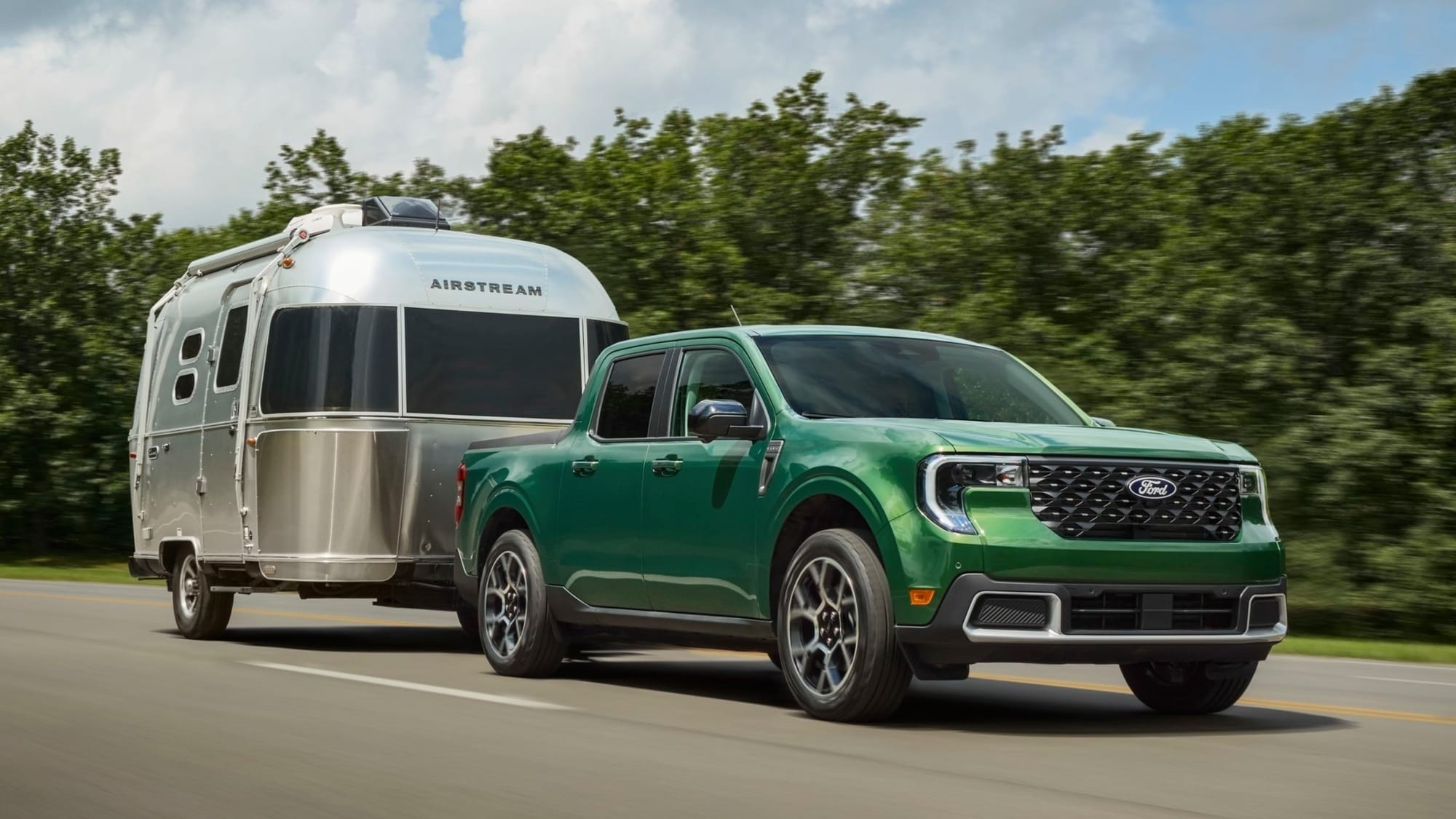
The standard 2027 Toyota Prius is one of many models utilizing this setup. Other Toyota hybrids such as the Camry, Corolla Sedan and Sienna are also HEVs, alongside Honda’s Civic, CR-V and Accord hybrids, as well as Ford’s Maverick Hybrid and F-150 PowerBoost Hybrid and the Chevrolet Corvette E-Ray.

In the F-150 PowerBoost, the engine also operates as an onboard generator providing 2.4 kW or 7.2 kW of power called ProPower Onboard. This setup can run 120-volt corded tools and appliances or, in the case of the 7.2 kW version, provide backup power to a home during an outage.
The PHEV (Plug-In Hybrid Electric Vehicle): A Mix of All-Electric Plug-In and Gas-Engine Advantages
Key Facts: Biggest advantage when plugged in | Allows for limited all-electric driving | Heavier
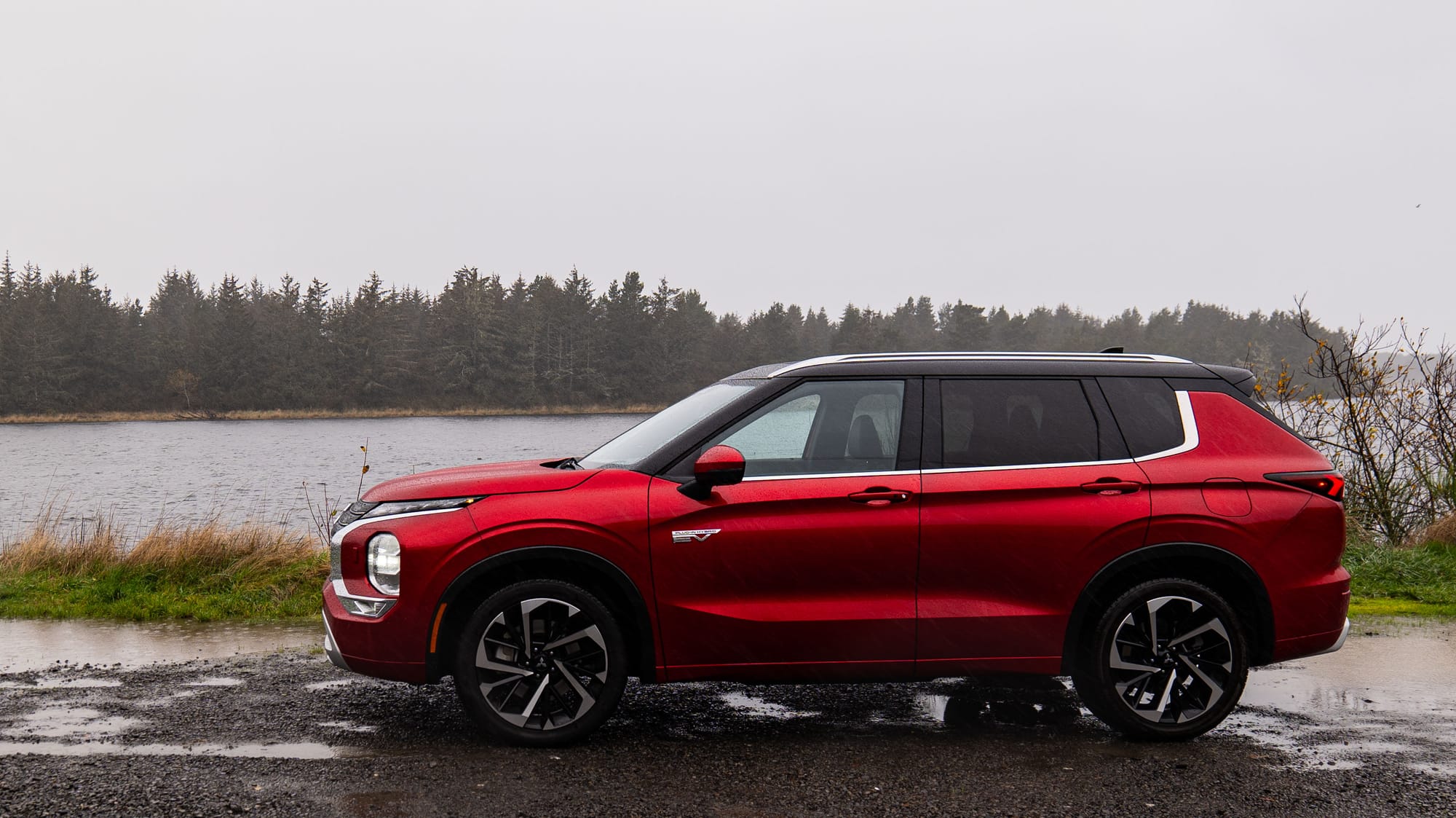
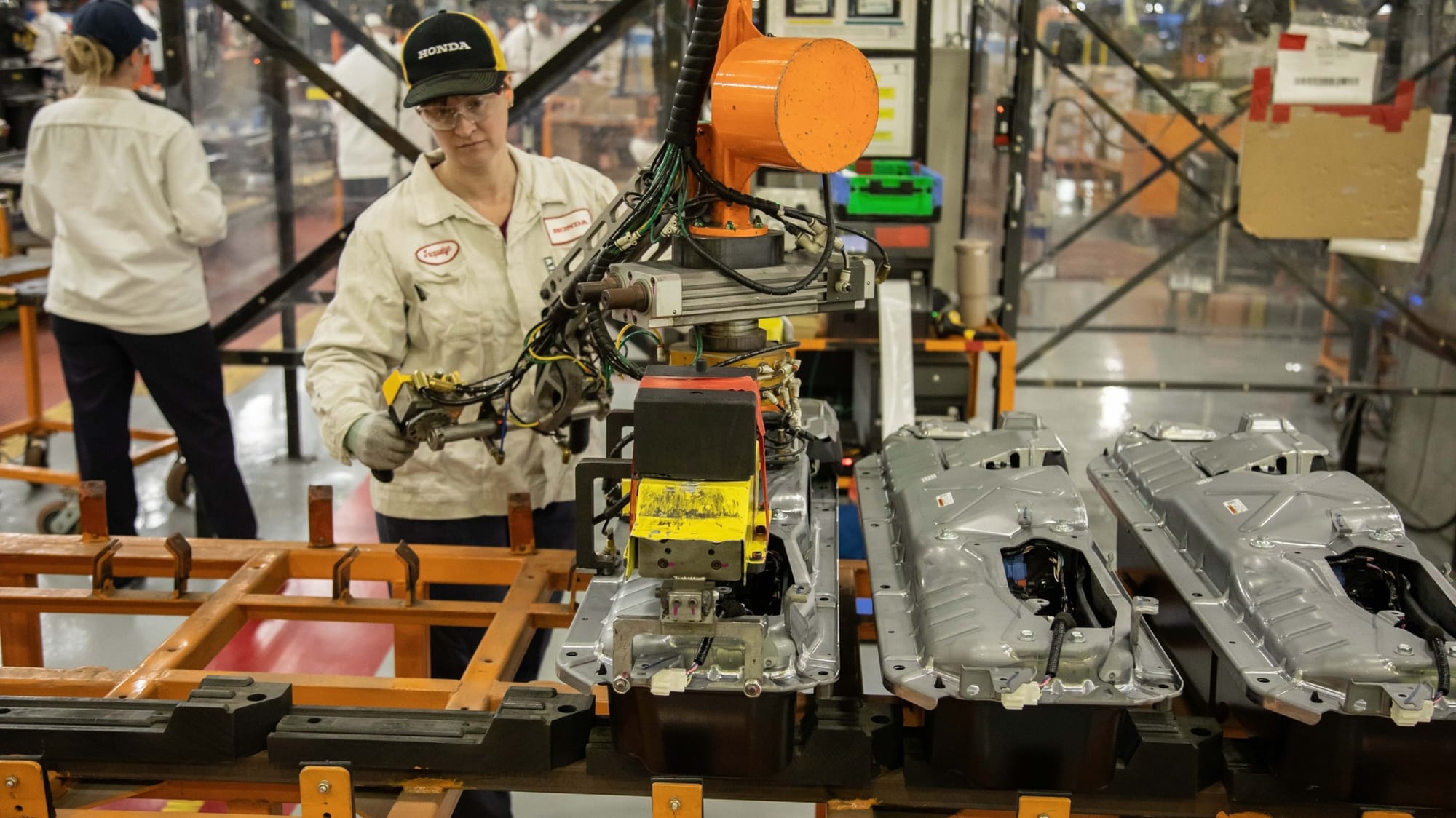
The next step up is the plug-in hybrid electric vehicle (PHEV), which combines a larger battery pack with the ability to recharge via an external plug. The primary advantage is the ability to drive a designated distance, often at highway speeds, without firing up the gas engine. This delivers the urban stop-and-go efficiency of a BEV, but preserves the freedom to take long road trips without mandatory charging stops. The only major drawback is that a PHEV will be heavier versus its HEV counterpart and something to consider if curb weight is an issue for you.
When battery reserves run low, the gas engine takes over just like in a traditional HEV and charges the pack as you drive. However, because a PHEV battery pack is substantially larger than an HEV pack and onboard generator output is limited, the gas engine rarely recharges the battery to 100%. To get the most out of a PHEV, you need to plug it in overnight just like a BEV; failing to do so limits or entirely eliminates access to its primary feature: dedicated EV mode.
Examples of PHEVs include the 2027 Toyota Prius PHEV, 2027 Toyota RAV4 PHEV, 2026 Mitsubishi Outlander PHEV, 2026 Mazda CX-90 PHEV and 2027 Porsche Panamera E-Hybrid models.
What is an EREV (Extended Range Electric Vehicle)?
Key Facts: Engine serves purely as a generator | Modern EV-first architecture

The latest evolution in hybrid technology is the extended-range electric vehicle (EREV). In an EREV, the primary drive system is fully electric and requires regular charging for routine daily use. During extended trips that exceed the battery pack’s range, a compact internal combustion engine activates to keep the battery replenished.
While this may sound like a PHEV, an EREV’s gas engine never connects mechanically to the drive wheels. Its sole purpose is to spin an onboard generator, extending total driving range once stored battery power is depleted.
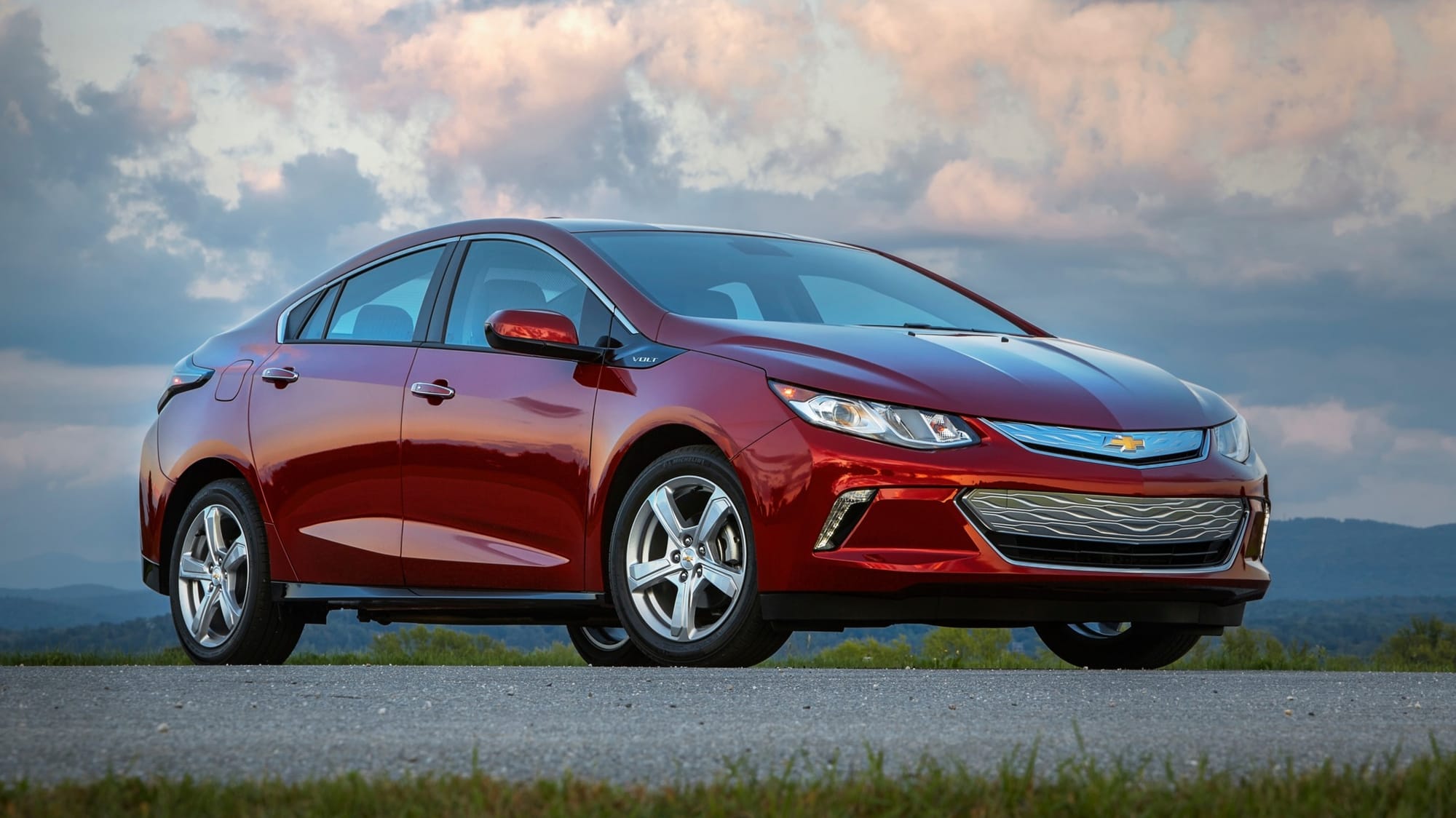
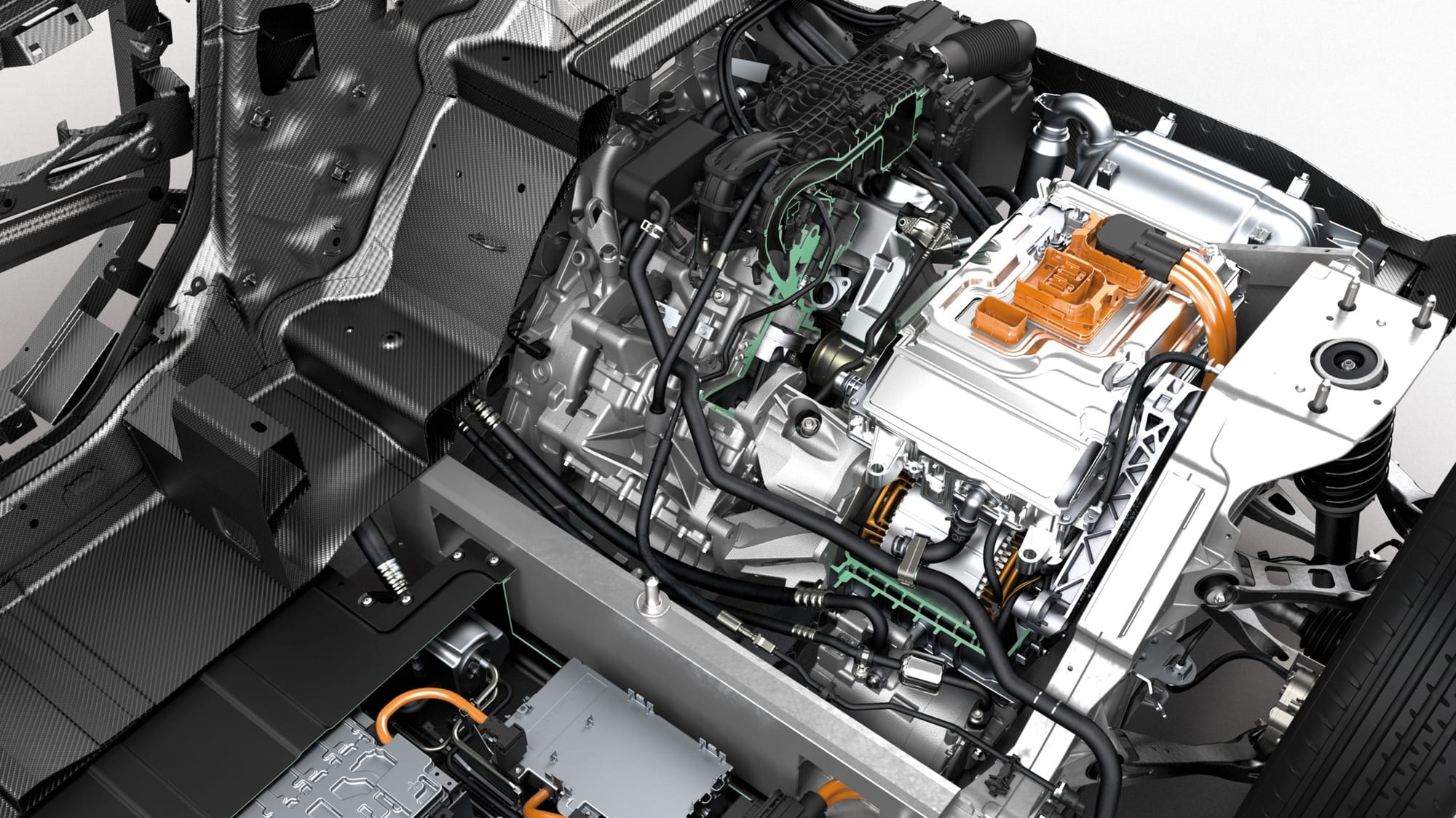
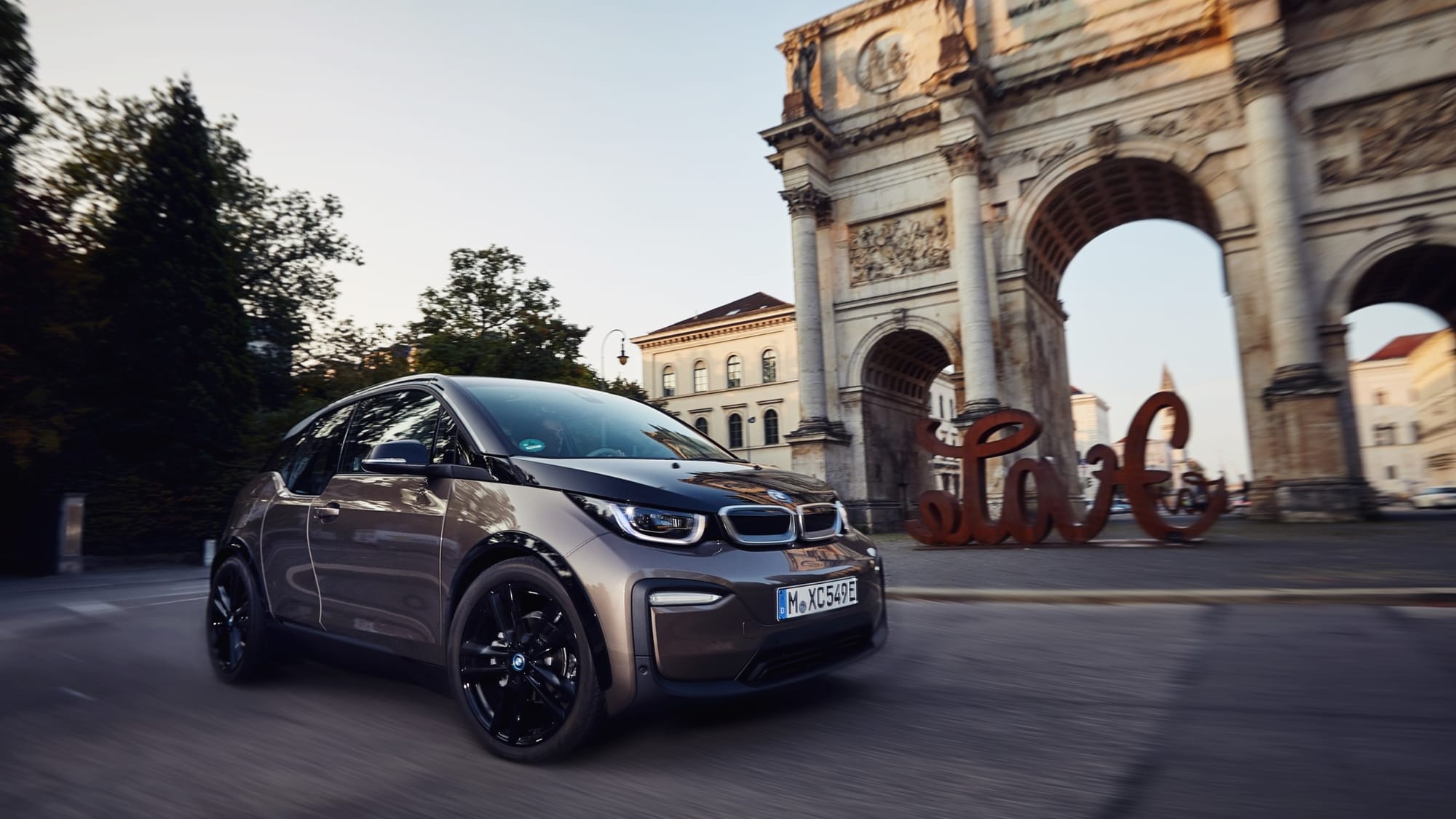
Scout Motors is set to become one of the first modern EV brands in the U.S. to offer this configuration with its optional Harvester range extender on the Traveler SUV and Terra pickup. Taking a historical look, the original Chevrolet Volt sedan was an early mass-market pioneer of this concept, operating primarily via electric drive while using its 1.4-liter I-4 engine (later upgraded to a 1.5-liter) as an onboard generator under most operating conditions. Another notable example is the optional REx system available on the 2014 to 2021 BMW i3, which packaged a 647 cc two-cylinder scooter engine beneath the rear cargo floor.
Support Independent Auto Journalism


Delivering the latest in automotive technology is a core mission at Carbage. If you value deep-dive, no-BS automotive reporting, consider supporting Carbage directly. You can back the publication on Patreon to help keep independent automotive journalism alive, or pick up some gear at the Carbage Shop. Be sure to share this guide with friends, family or anyone curious about modern electrified vehicles.

Comments ()