California Launches MyFirstEV: How First-Time Buyers Can Save Up to $3,500
It is aimed at buyers getting their first electric vehicle, but there is a catch to getting the maximum $3,500 discount.
Quick Summary:
- Big Discounts: The maximum incentive for new EVs is $3,500 and $1,750 for used models.
- Price Caps: New EVs face a $50,000 price cap, whereas used electrics are capped at $25,000.
- Unless It Is a California EV: Manufacturers headquartered in California do not face the $50,000/$25,000 price cap.
- Money Is Limited: The total state budget is $135.5 million for the MyFirstEV program, with the discount cost split 50/50 between California and OEMs.
Although interest in electric vehicles (EVs) has not slowed down, the market for buying them new off dealer lots has cooled since the federal EV tax incentive ended in 2025. Now, nearly a year later, California has implemented its own incentive program through the California Air Resources Board (CARB). It targets first-time EV buyers shopping for new and used all-electric models. The $3,500 maximum is a solid chunk of change off the price of any new vehicle, and there are limits on where buyers can purchase a used EV for the $1,750 maximum credit. However, MyFirstEV could face a potential issue if the $135.5 million budget runs dry before the program ends.
Is There Enough Money?
Key Facts: Discount cost split 50/50 with OEMs | Tesla spent its allocation in just five days
We alluded to potential issues with CARB’s MyFirstEV program, and two stand out. First, the program is only funded through the 2026–2027 fiscal year, and all funds must be used before Sept. 1, 2031.
The second issue has already hit Tesla and may affect others before the 2031 deadline: what happens when a manufacturer runs out of money? Under the agreement, the $135.5 million state budget does not cover the entire cost of the $3,500 and $1,750 discounts. Instead, CARB mandated a 50/50 cost split with participating OEMs. That means limited funds are available to first-time EV buyers, and the risk that buyers miss out due to a dried-up budget is a real concern for California New Car Dealers Association (CNCDA) members.
"This isn't hypothetical,” said California New Car Dealers Association (CNCDA) president Brian Maas when we asked about the budget being spent. “Tesla went through its entire MyFirstEV allocation in about five days after the program launched.”
So far, CARB has not issued guidance on what happens when these funds run out.
“We've asked CARB for clearer program guidance on several fronts already, and this is one that needs an answer before more manufacturers hit the same wall."
What Manufacturers Are Participating in the MyFirstEV Discount Program?
Because OEMs share the cost, who is actually participating? When the MyFirstEV incentive program launched, 13 manufacturers stepped up to offer discounts on their all-electric lineups: Ford, GM, Honda, Hyundai, Kia, Lucid, Mitsubishi, Nissan, Rivian, Subaru, Tesla, Toyota and Volvo. The discounts are also limited to all-electric vehicles and hybrids like PHEVs are not included in this program.
New EVs Are Capped at $50,000, Unless Headquartered in California
Key Facts: Must cost $50,000 or less | Cap eliminated for California EV OEMs | $3,500 discount
For buyers interested in a brand-new EV, MyFirstEV offers a $3,500 discount. The catch is that new EVs carry a strict $50,000 price cap.
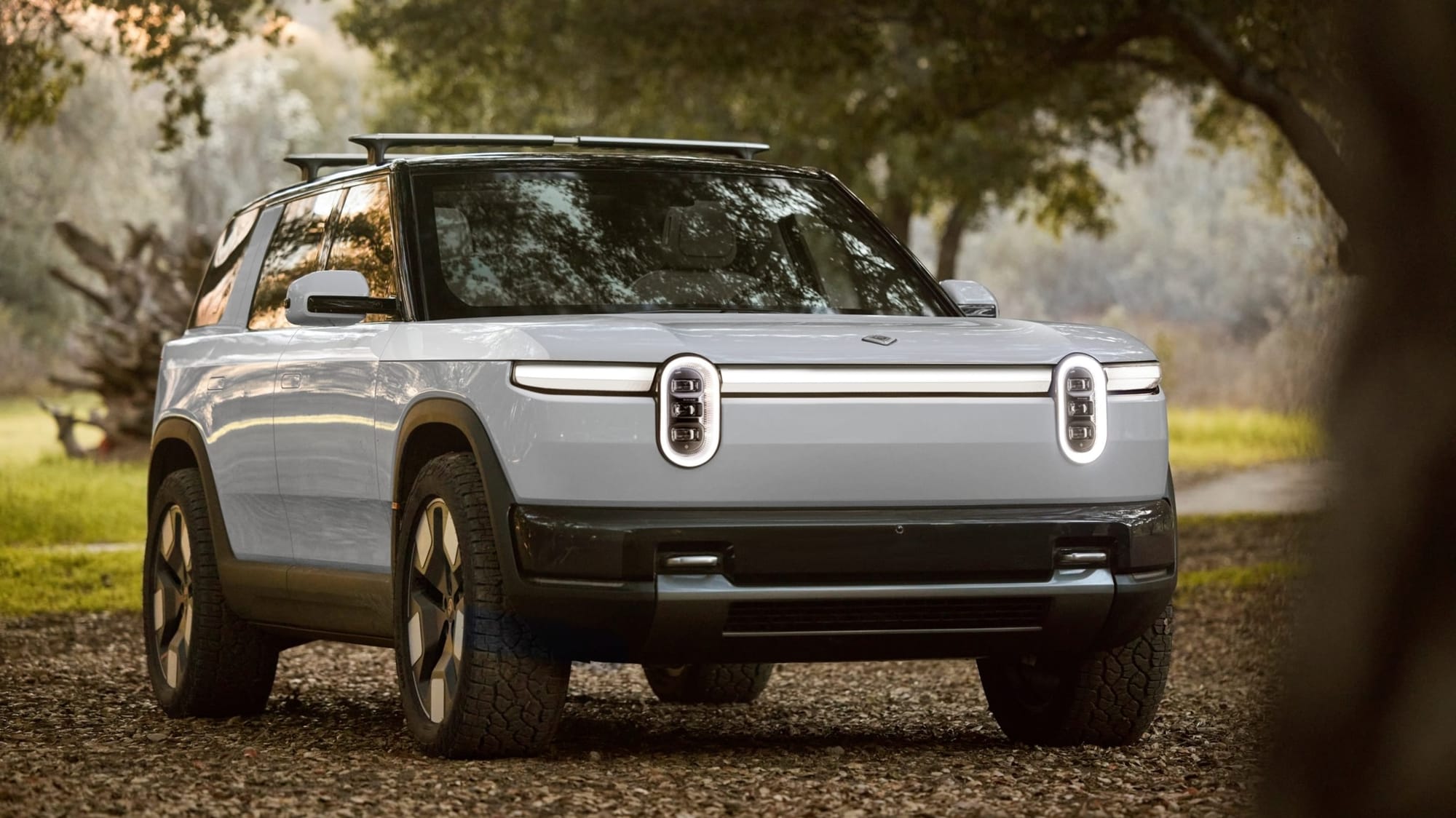
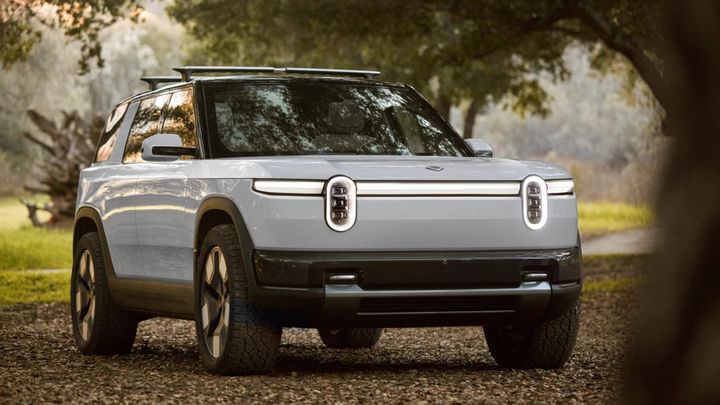
That cap disappears if the OEM is headquartered in California. To encourage “continued innovation” and support local EV makers, the state waived the price ceiling entirely. That is great news for Lucid and Rivian, the only two OEMs headquartered in the state.
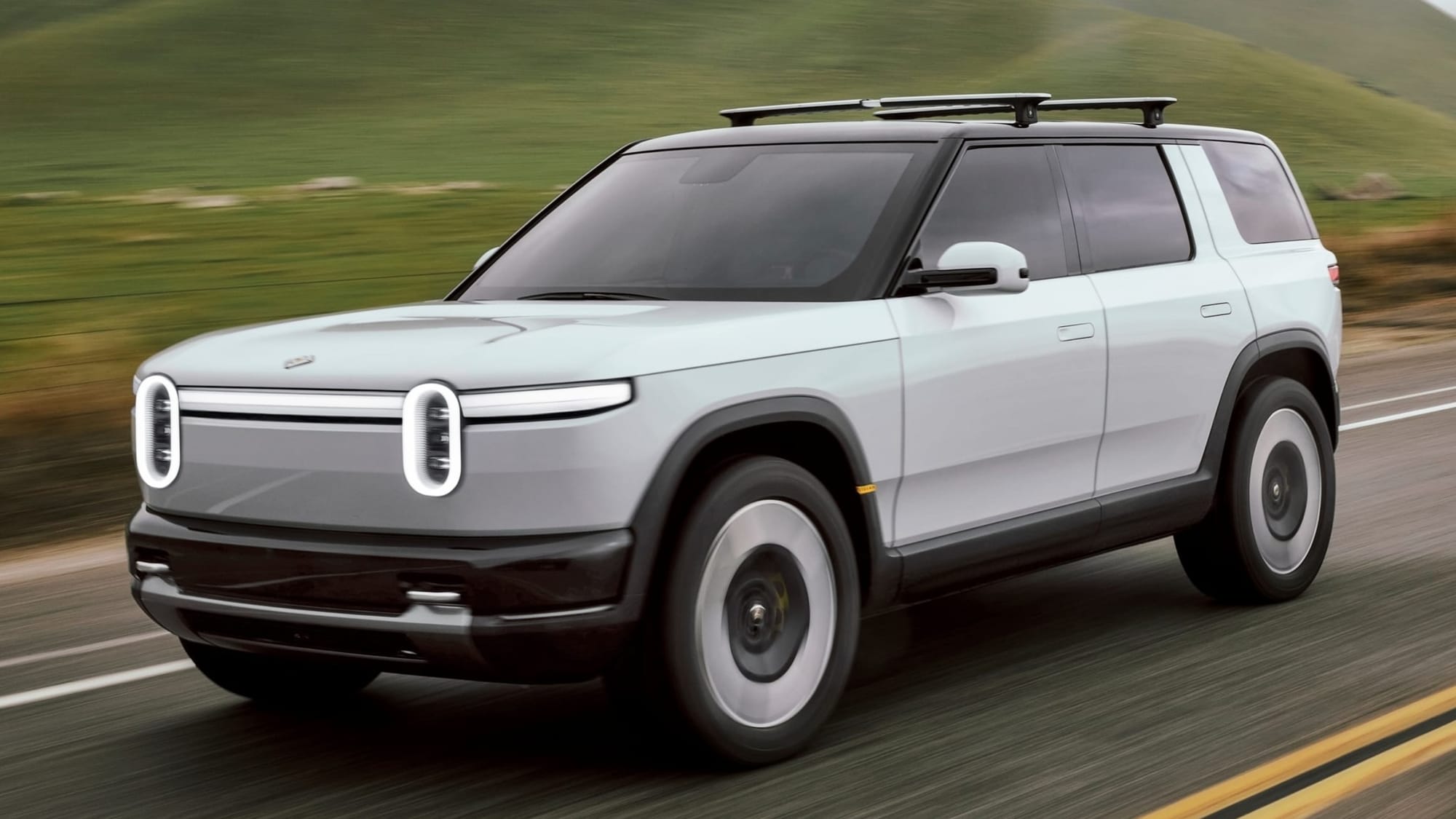
Rivian recently launched its R2 electric SUV with a starting price of $46,235 for the Standard rear-wheel drive, but that base trim will not arrive until 2027. Its first available variant, the R2 Performance Launch Edition, carries a $59,485 sticker price, followed by the $55,485 Premium trim later this year.
Lucid offers no vehicles under $50,000, with the Air Pure starting at $72,400. With the cap lifted, buyers can pick up a 2027 Rivian R2 Standard RWD for $42,735 or a 2026 Lucid Air Pure for $68,900.
$3,500 Off an EV Under $50,000 Is Still a Great Deal
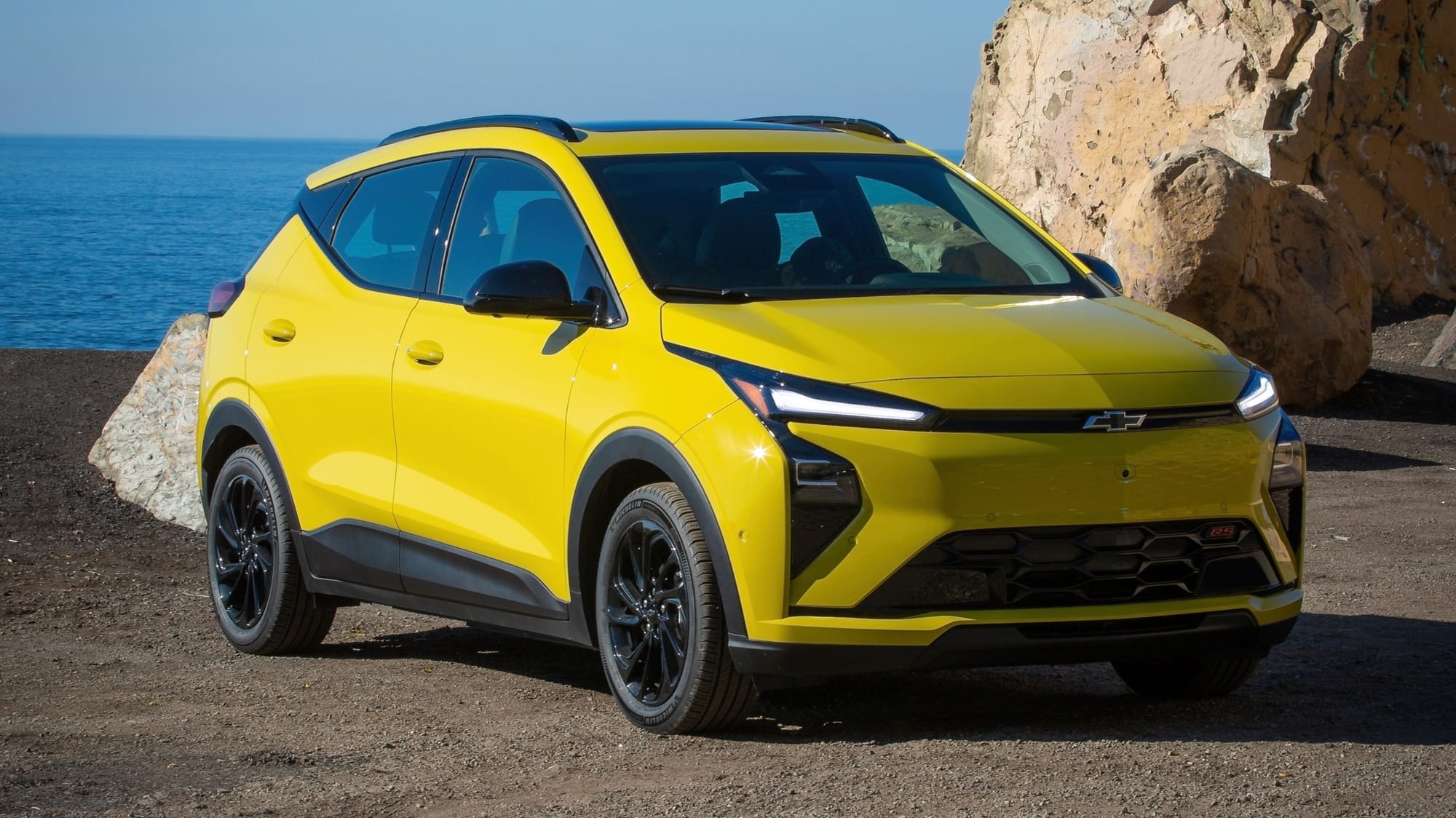
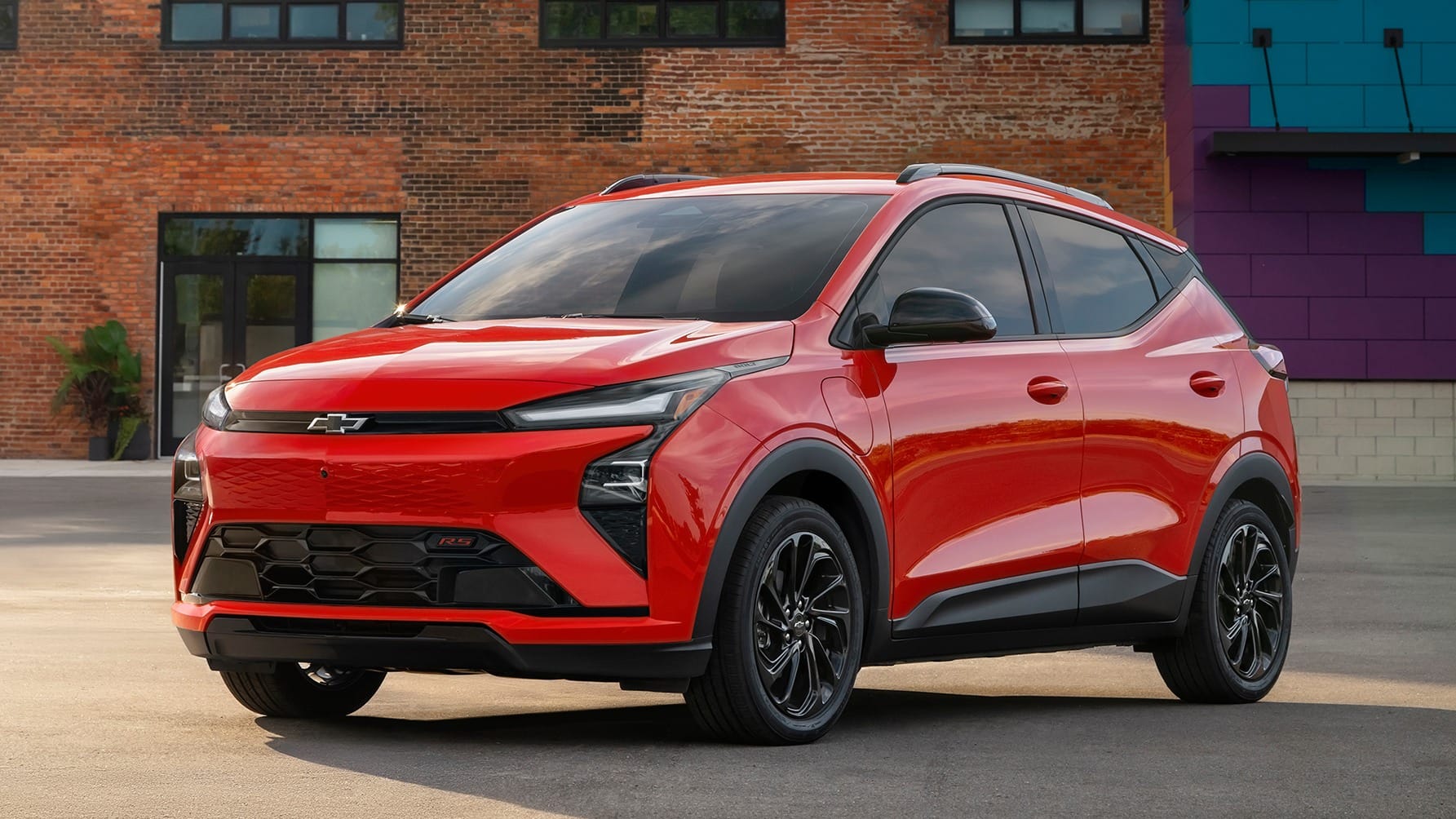
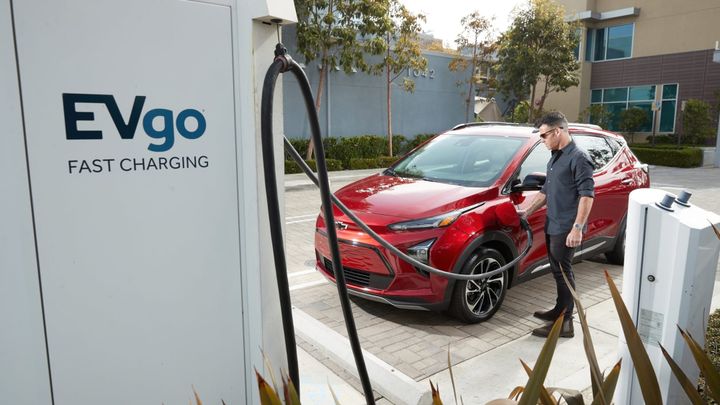
For other EV manufacturers selling in California, that $50,000 price cap will not pose many hurdles. If you want an affordable new EV, the 2027 Chevrolet Bolt LT starts at $28,995, and the RS comes in at $32,995. With the MyFirstEV discount, getting into a brand-new Chevrolet EV drops to $25,495.
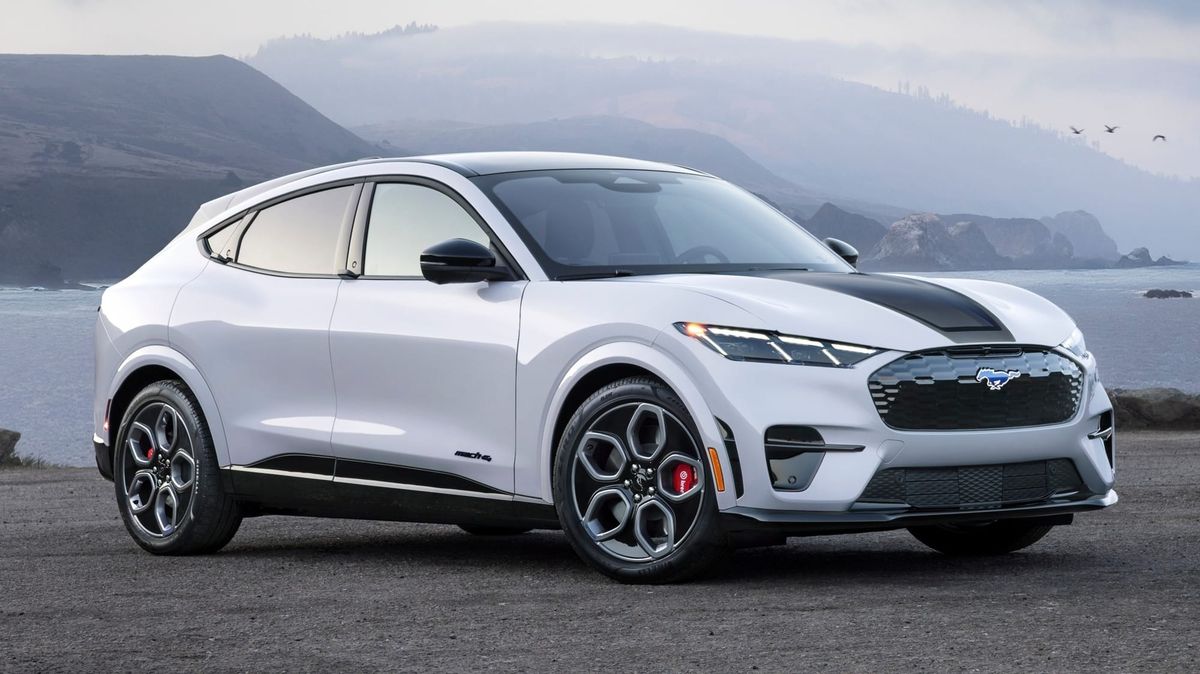
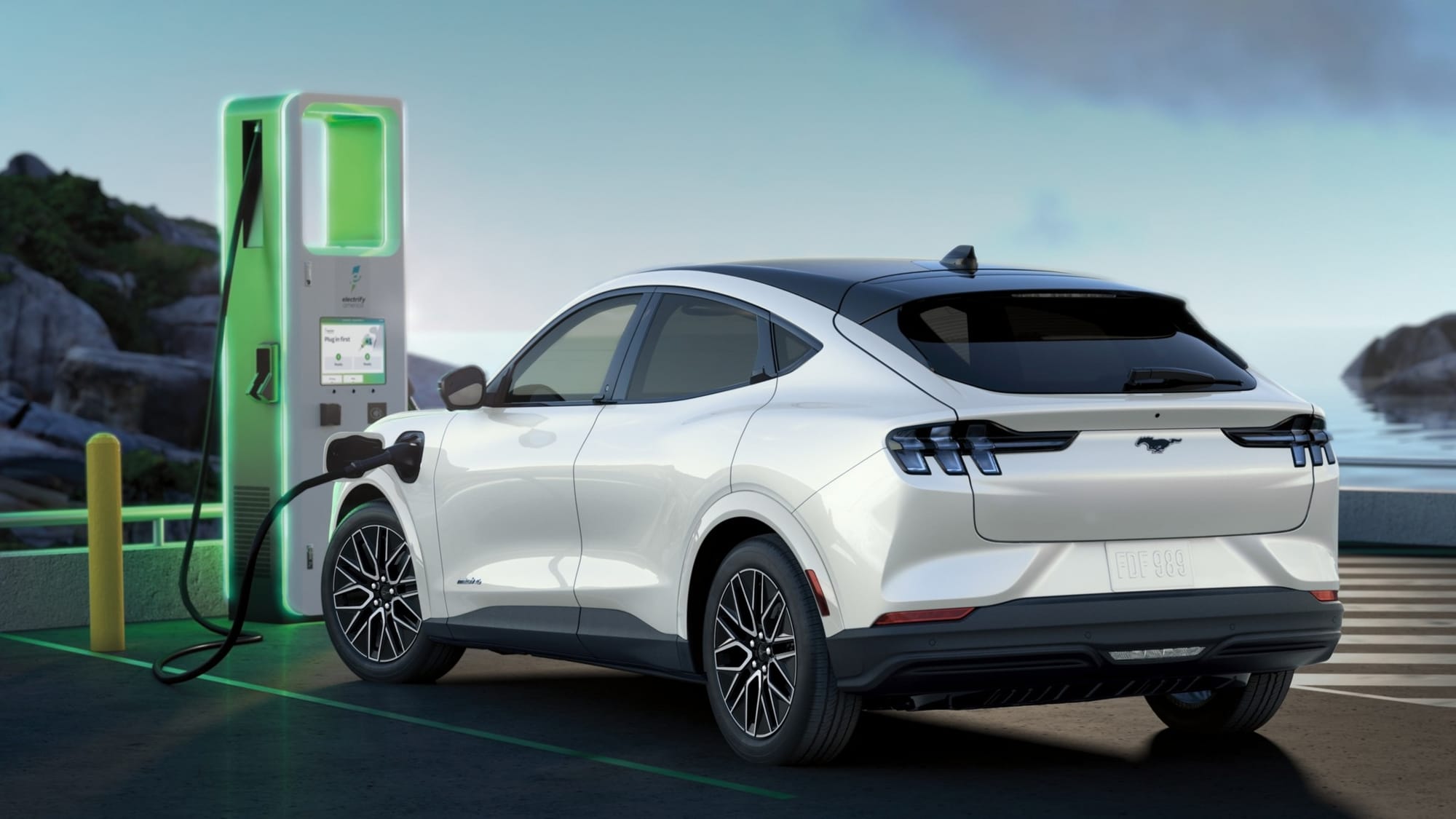
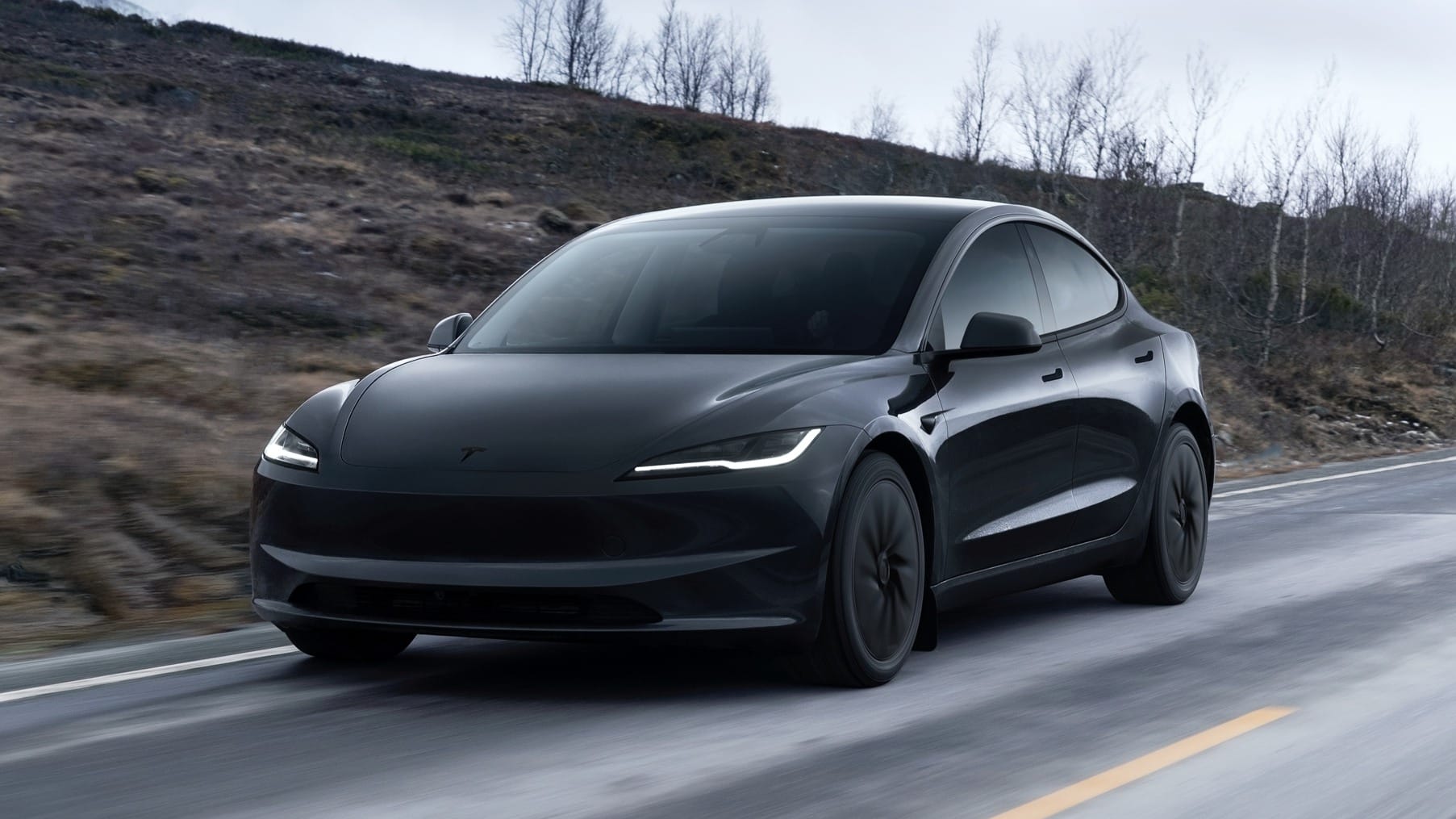
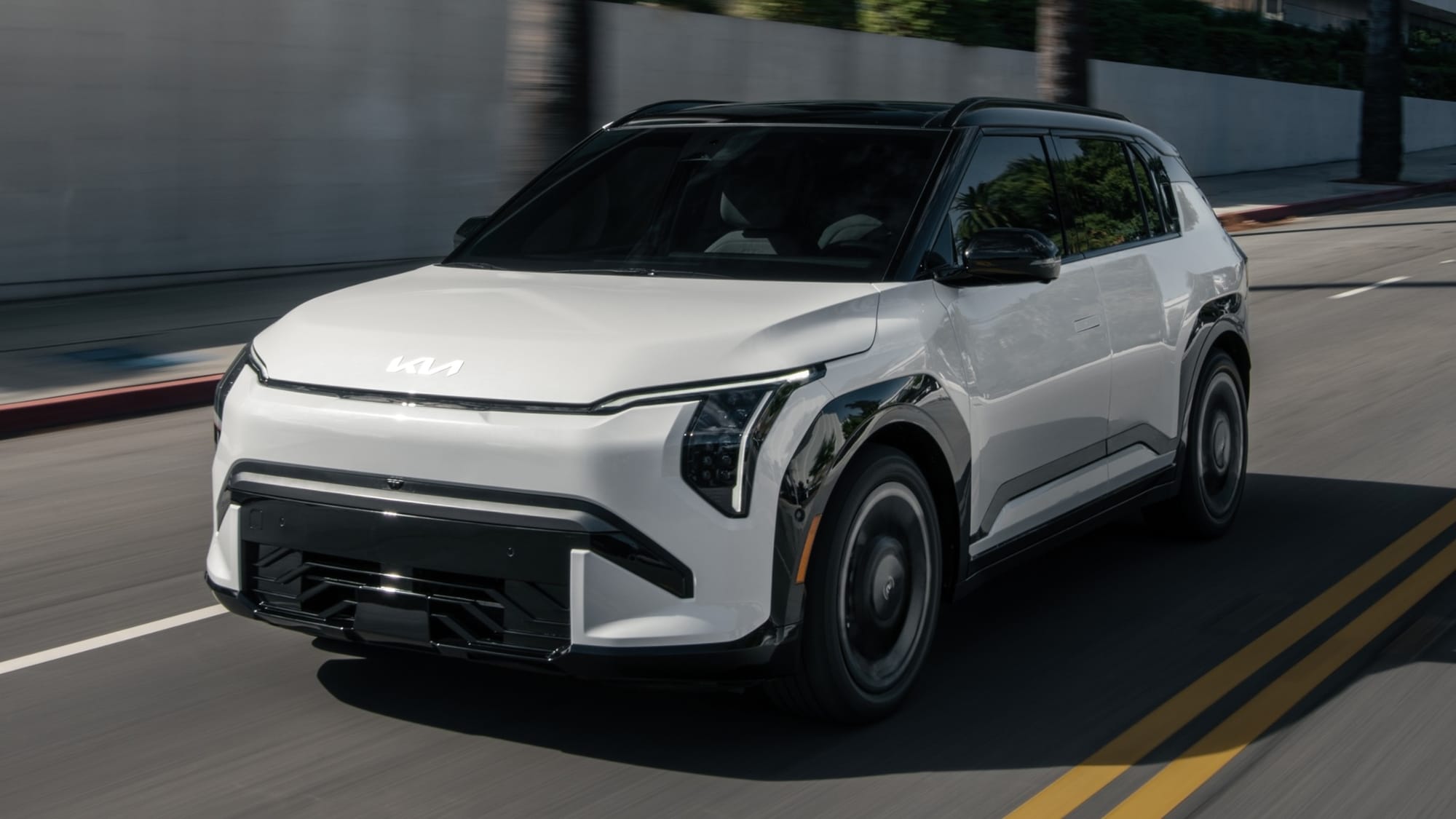
Even beyond entry-level options, mainstream non-luxury EVs comfortably undercut the cap. The market average sits right at $45,000, with entry-level pricing around the $30,000 mark. For instance, the 2027 Ford Mustang Mach-E starts at $39,840, and the popular Tesla Model 3 RWD starts at $38,630 (though Tesla faces a specific fund availability hurdle). If you want something even more attainable, the 2027 Kia EV3 starts at $31,385 for the Light front-wheel drive, and even the top-tier GT all-wheel drive stays under the limit at $47,385.
New-Car Dealers Support the MyFirstEV Program
If you assume dealers dislike discounting vehicles to move them, think again. We asked CNCDA President Maas whether franchised dealers support the program.
“Overall, we are generally supportive of any incentive program that helps get customers into the vehicles that our dealers can provide,” Maas said.
Used EV Incentives Require a Two-Year-Old Certified Pre-Owned Model
Key Facts: Limited to certified pre-owned EVs | Maximum 2 model years old | Independent dealers excluded
The $1,750 used-EV incentive delivers substantial savings against the $25,000 maximum price cap. For example, a used 2024 Nissan Leaf SV priced at $21,910 drops to $20,160 after the rebate.
However, buyers must purchase through a franchised dealership representing a participating manufacturer. Additionally, the car must be a certified pre-owned (CPO) vehicle no more than two model years old, which is why our example Leaf is a 2024 model.
While manageable, excluding independent dealerships restricts inventory for first-time buyers who prefer not to shop at traditional franchise stores. We reached out to the California Independent Automobile Dealers Association (IADA) for comment but did not receive a response before publication.
Preventing Markups
To prevent dealers from inflating prices and wiping out buyer savings, CARB and participating automakers agreed to terms requiring OEMs to police retail pricing. According to the MyFirstEV FAQ, grant agreements include anti-price-gouging provisions with “compliance tied to reimbursement.” How CARB plans to enforce these rules and penalize non-compliant dealers or OEMs was not detailed on its website.
Support Carbage
Love independent automotive journalism without the corporate fluff? Back us on Patreon to get early access to features and exclusive behind-the-scenes content. You can also grab fresh gear, shirts, and stickers over at the Carbage Merch Shop.
Comments ()